Raised beds first, and keep them reachable
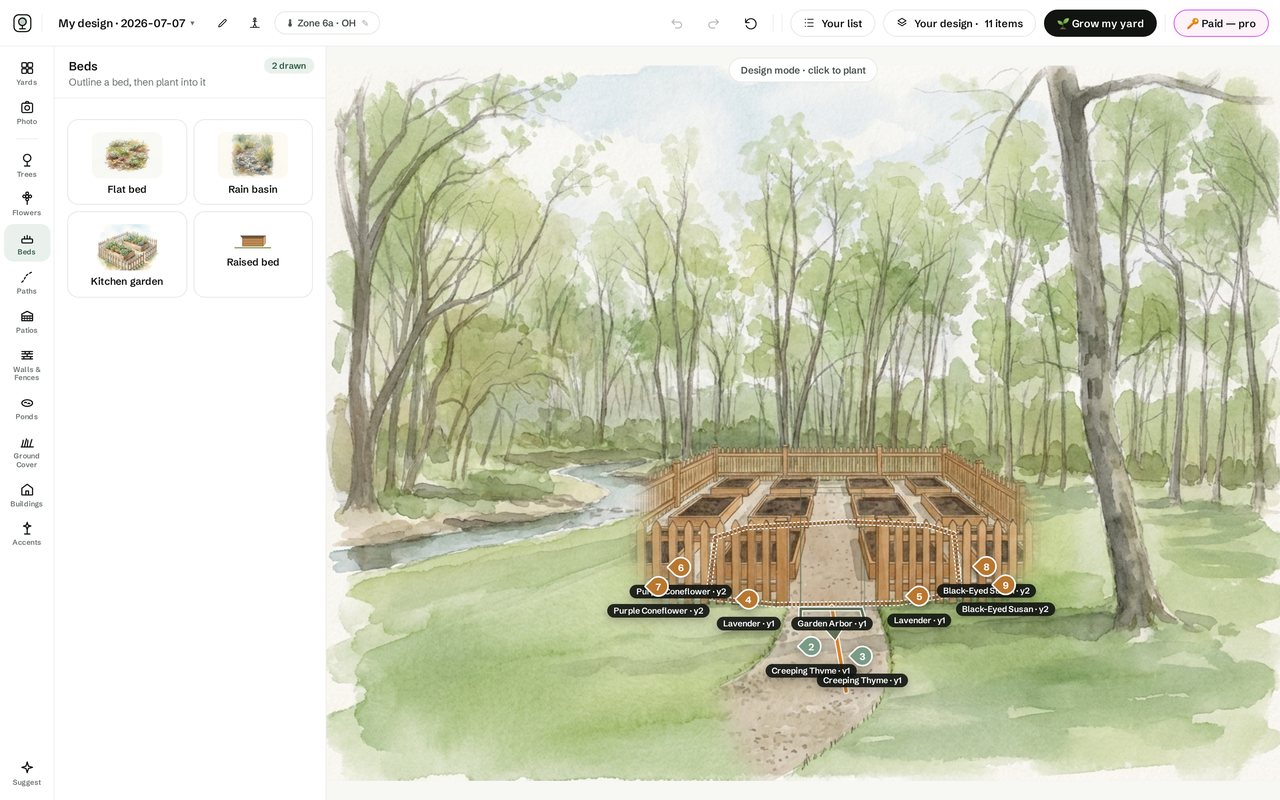
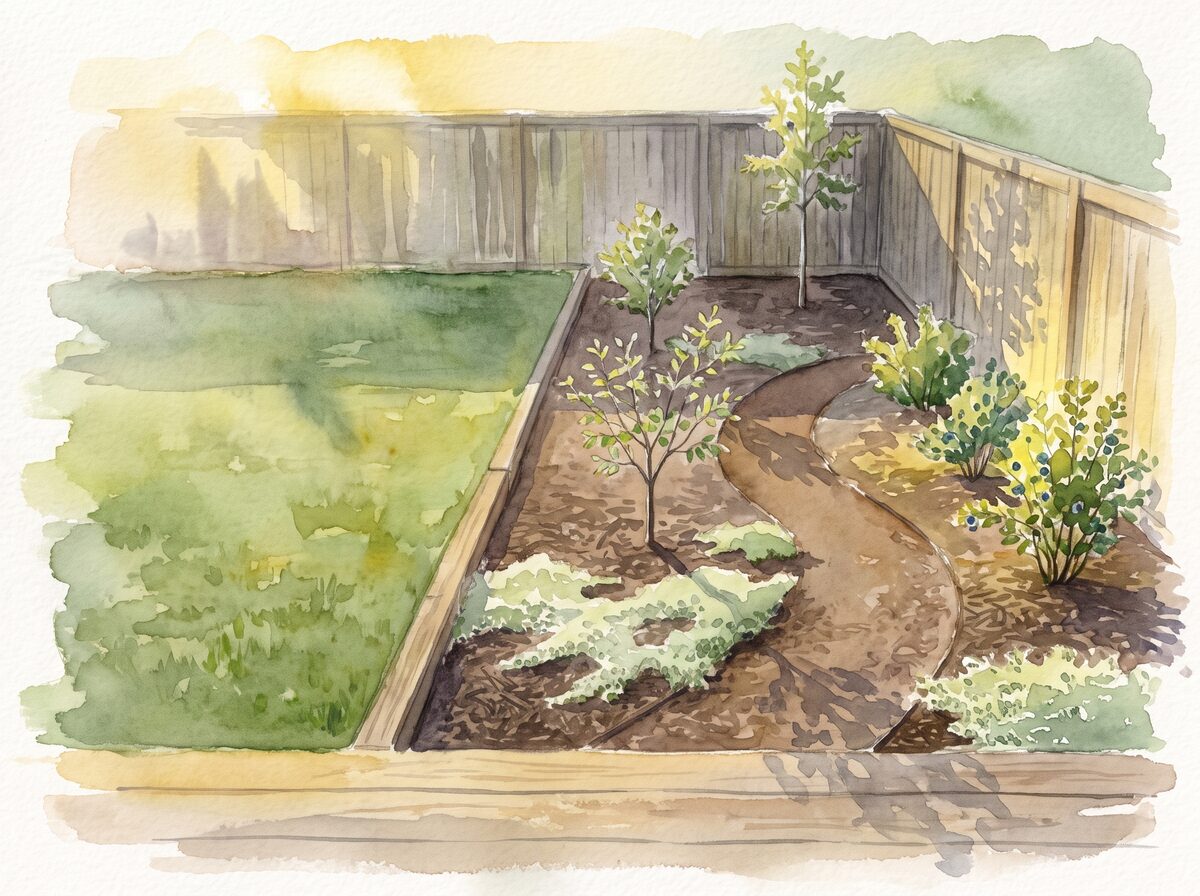
A raised bed should never be wider than 4 feet, because you plant and weed from both sides and never step in it. Stepping in the bed compacts the soil, and compacted soil is why second-year gardens disappoint. Length is whatever fits; 8 feet is the classic. Leave 2 feet between beds at minimum, and make the main path 3 feet so a loaded wheelbarrow rolls through without clipping corners. Laid out on a painting of your actual yard, the bed math stops being abstract.
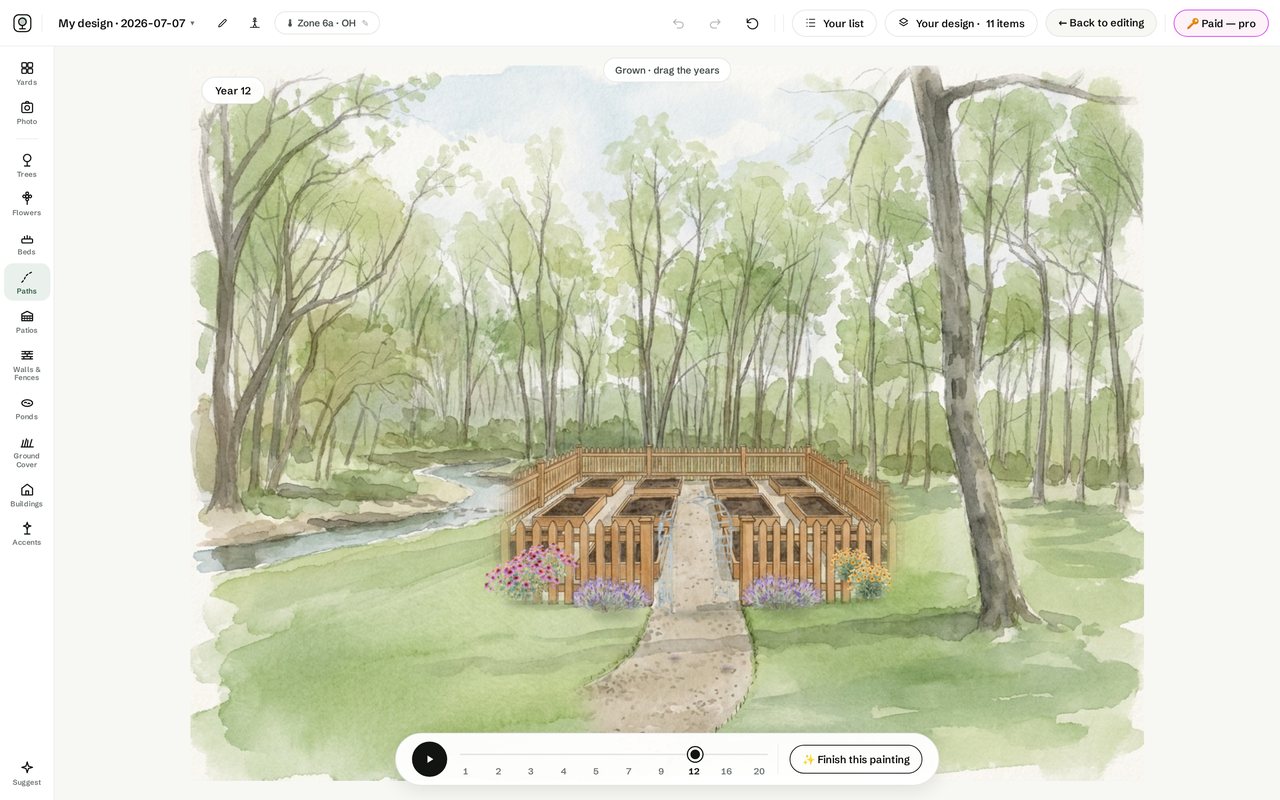
Year three of the sample plan — the beds are 4 feet wide because you have to reach the middle from both sides.
The fence is part of the garden, not around it
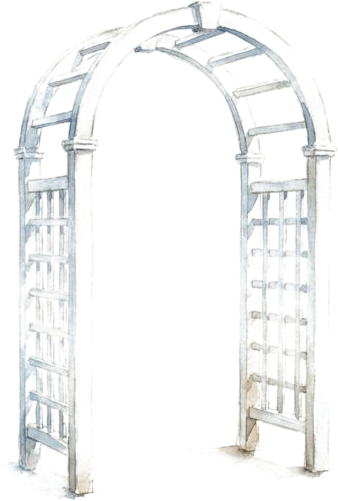
Ask anyone who skipped it: an unfenced vegetable garden is a wildlife feeding station. A waist-high picket fence with wire mesh buried a few inches at its base stops rabbits and groundhogs cold, and it turns the garden into a destination the way nothing else does. Where deer pressure is real, go taller or add a second low fence a few feet outside the first; deer will not jump into what reads as a trap. Give the gate a full 3 feet and put something overhead: an arbor makes an entrance out of an opening.
Put it where the sun and the kitchen agree
Vegetables want 8 hours of full sun, which rules out more spots than most people expect. Watch the yard for a day, then favor the sunny spot closest to the kitchen door and a hose bib, because a garden you walk past daily gets weeded, watered, and harvested, and a garden at the back fence gets remembered in August. Keep clear of tree roots too; the trees in your photo are honest about where their shade falls.
Your first tomato costs about $70.
The tenth year's costs about a nickel, which is the whole joke and the whole argument. Everything expensive here is permanent — cedar, fence, gate, soil — and it is spent once, while the part that actually feeds you is a $4 packet of seed. So put the money in the soil: a bed filled with cheap fill dirt is a bed that disappoints for a decade, and the compost you add every April is the only line item that gets better with age. Skip the potatoes and onions the store sells for a dollar a pound and grow the tomatoes and basil it cannot sell you at all. A year-by-year plan with a build list and a soil volume, ready to hand a lumber yard, is exactly what the printable Painted Acre report gives you.
The kitchen garden plan · Zone 6a Ohio
Year 1
Build the room
Raised Bed × 4cedar · 4 × 8 ft each
Arbor × 1over a 3 ft gate
Soil · 5 cu ydthe actual budget line
To do this year
Sit in the yard for one day first — 6 to 8 hours of sun or move the garden
Main path 36 inches for the wheelbarrow, 24 between the beds
Bury the fence mesh 6 inches; rabbits dig, they do not jump
Year 2
Plant the guards
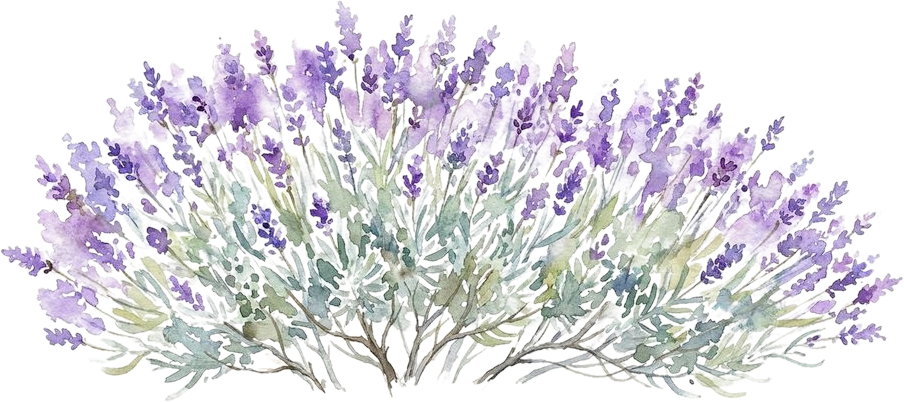
Lavender along the outside of the pickets
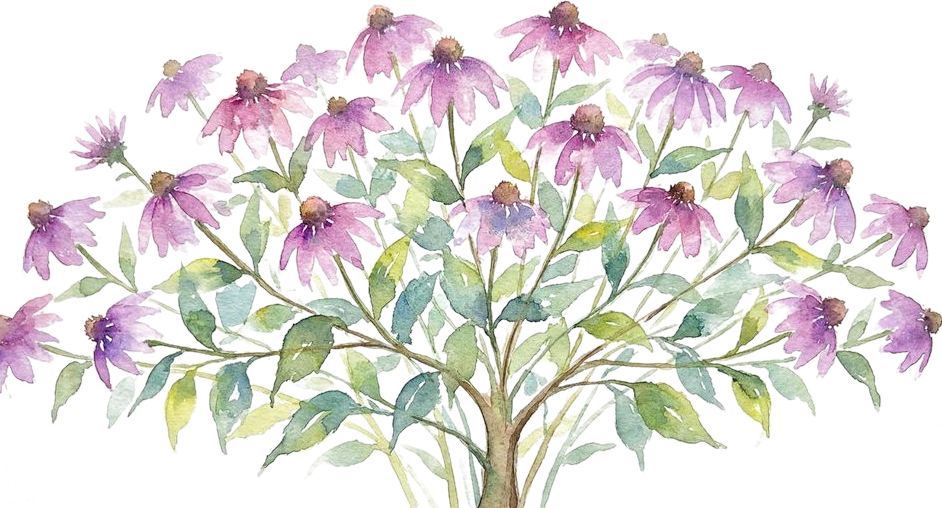
A coneflower drift by the gate — the squash needs the bees
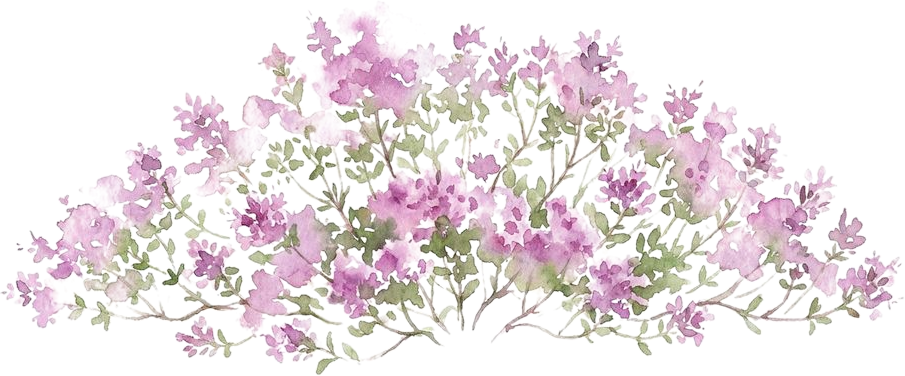
Creeping thyme at the path edges
Year 3
The frame softens
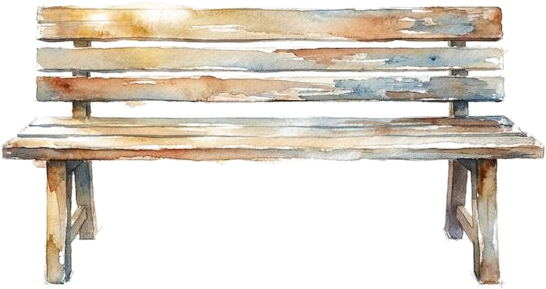
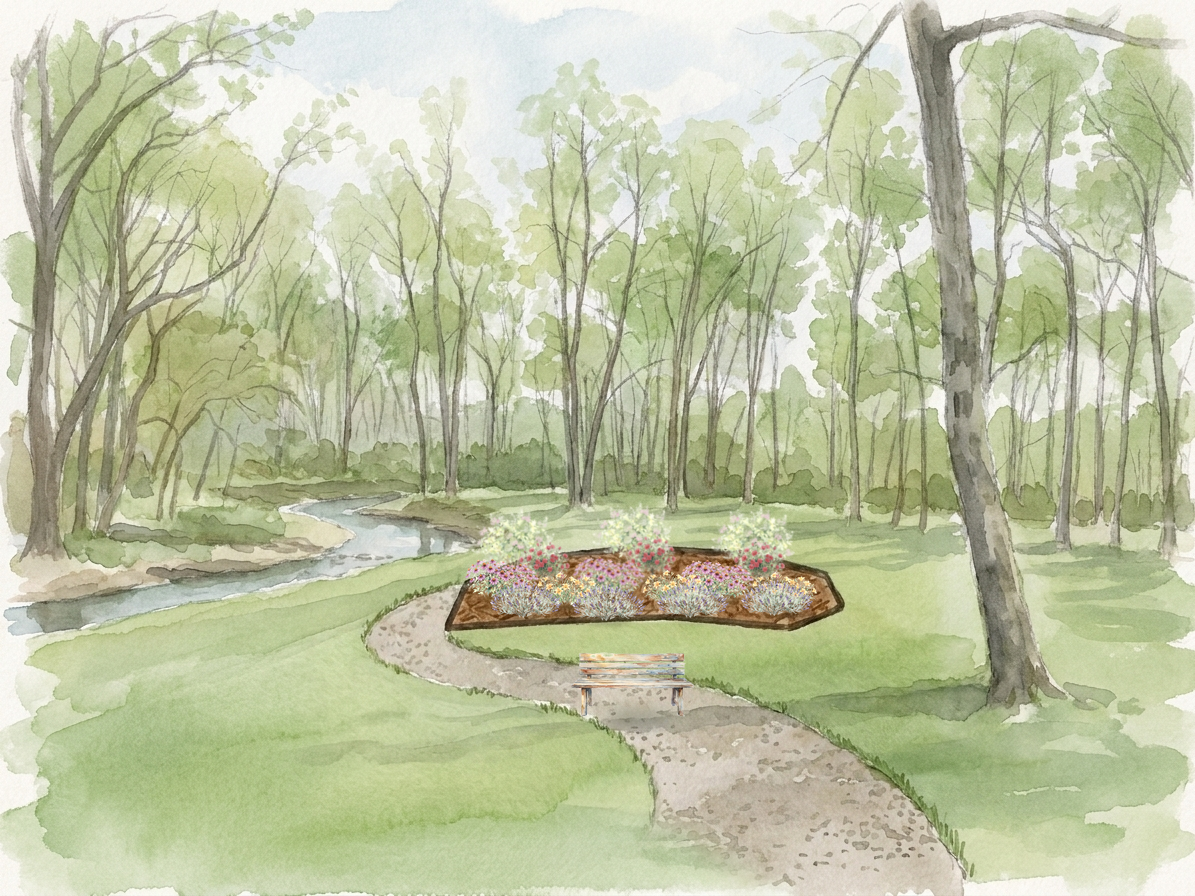
Set the bench where you will actually sit in August
Top the beds with 2 inches of compost — every April, forever
From the sample plan's printable report — the room in year one, the guards in year two, and compost every spring after that.
The kitchen garden palette, painted
The crops rotate every season, so what you design is the permanent frame: beds, fence, gate, and the companions that guard and pollinate it. Each piece is painted at every age, and your ZIP filters the plants to your zone.
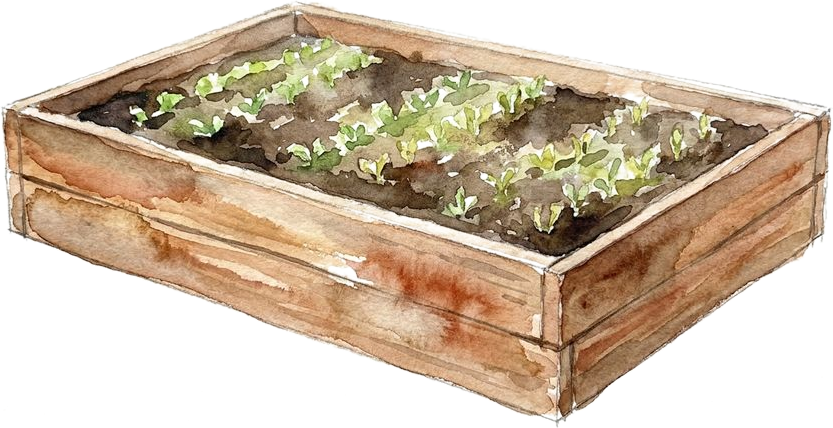
Raised Veggie Bed
The unit of the whole garden: fill it once, never step in it.
Zones 1–132 ft
Garden Arbor
Three feet of gate plus something overhead. An entrance, not an opening.
Zones 1–138 ft
Creeping Thyme
Walkable herb for the path edges; smells like dinner on the way in.
Zones 4–90 ft
Lavender
The pest-confusing border: rabbits and deer dislike it, bees love it.
Zones 5–92 ft
Purple Coneflower
A pollinator drift beside the garden pulls the bees your squash needs.
Zones 3–93 ft
Garden Bench
Harvest-season seating. You will use it more than you think.
Zones 1–133 ft
What to expect, honestly: Year 1: the fence, beds, and paths are fully usable the first weekend, and the garden already looks like a garden even empty. Year 3: thyme softens the path, lavender fills in against the pickets. Year 5 on: the frame has weathered into the yard, and the only thing that changes is what you plant in April.
Questions people ask
▸Can I design a vegetable garden layout online?
Yes. Upload a photo of the spot you want to grow in, draw the beds and the fence on it, place the companions around them, then drag the years forward to see the frame settle in. You can try it on a sample yard first, and no account is needed.
▸Can I draw the raised beds and the fence to scale?
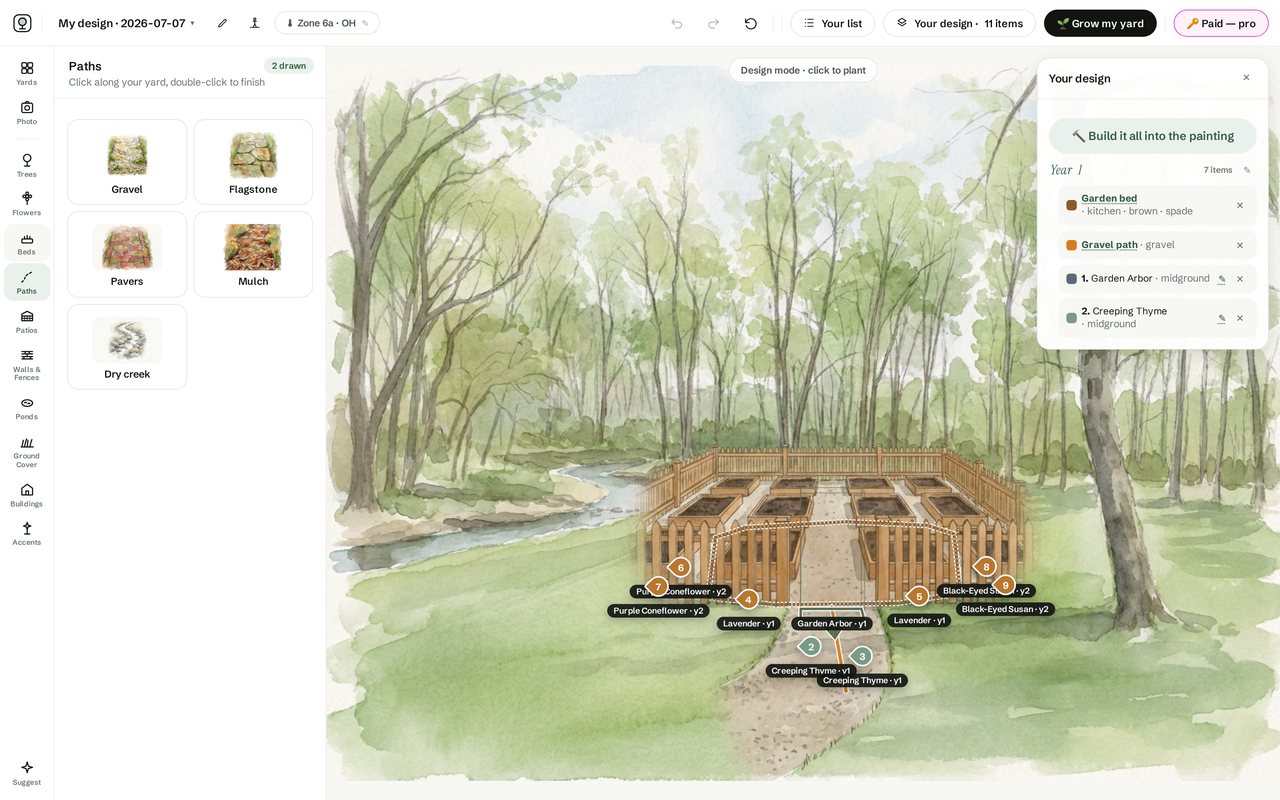
Yes. The bed tool has a kitchen garden type that lays the fence, raised beds and paths down as one piece wherever you draw it, and the report includes a plan view from directly above drawn to scale. That is how you find out four beds fit and six do not before you buy the lumber.
▸Will it show the garden once the timber weathers and the planting fills in?
The year slider repaints the same design at each age, so new timber and bought soil in year one become a softened, settled garden by year eight. Perennials and shrubs grow on their own real curves rather than everything maturing at once.
▸Does it tell me what to buy?
The printable report carries a year-by-year plan and a shopping list with price estimates, broken out by the year each item goes in, so you can phase the build across seasons instead of paying for all of it at once.
▸Can I try it without uploading a photo of my yard?
Yes. The sample yards let you use every tool, and grow them, before you decide. You can also send one photo of your own garden and we will paint it into a watercolor at no charge, then design on it freely. Growing your own garden through the years is the paid part: $49 once, and the garden stays yours.