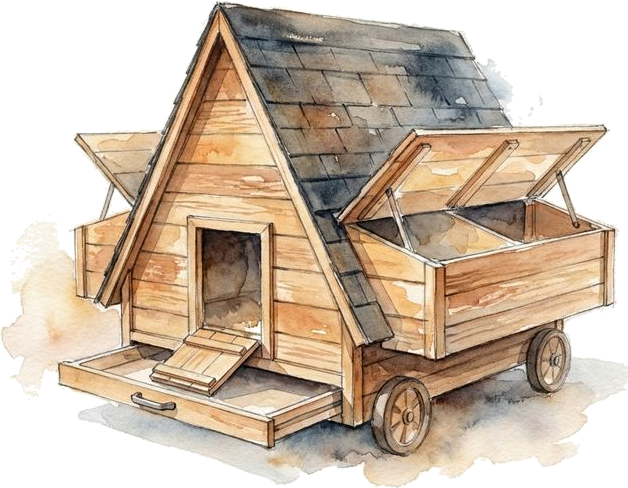
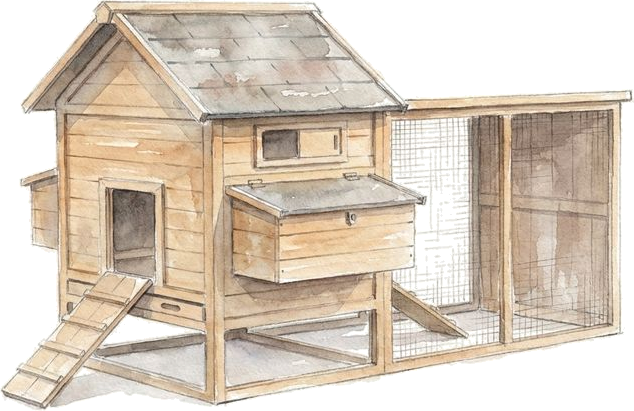
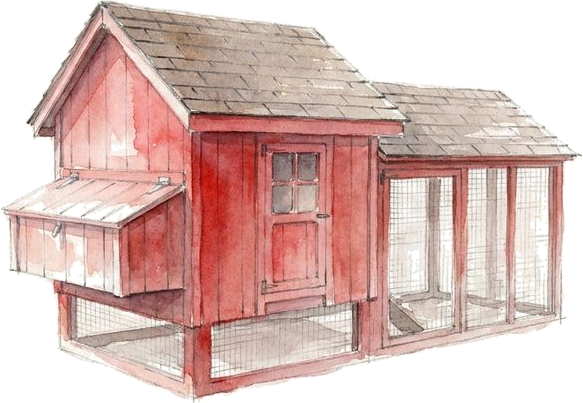
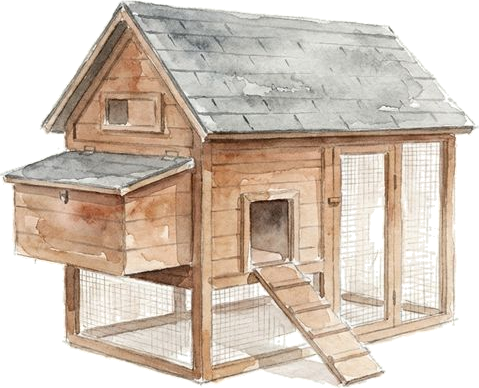
Placement rules that save you grief
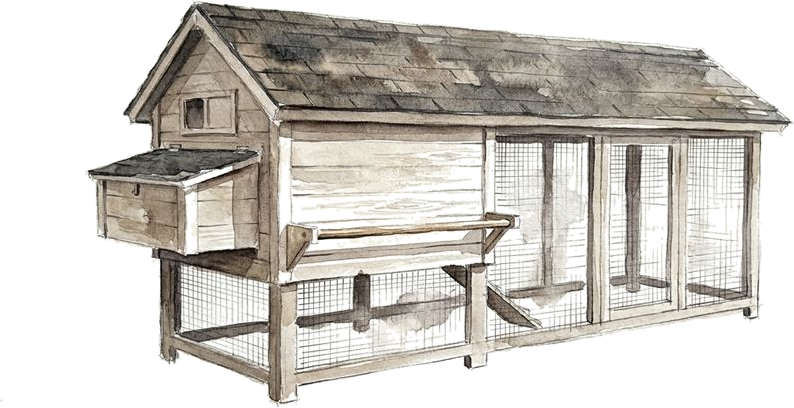
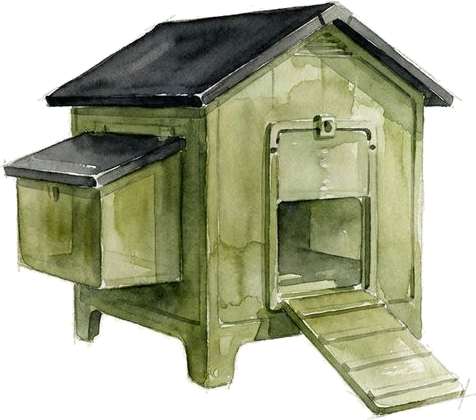
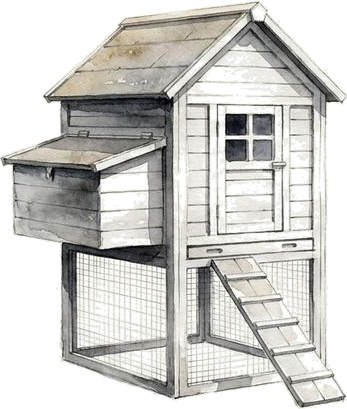
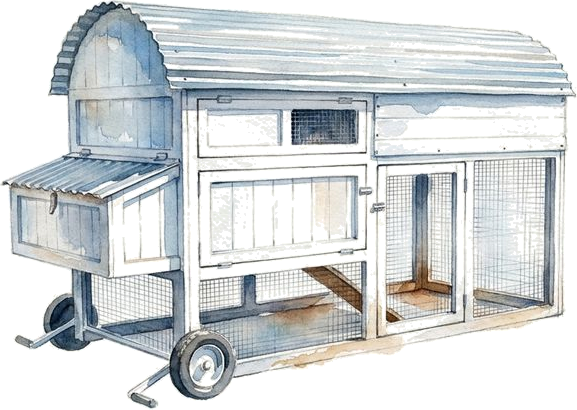
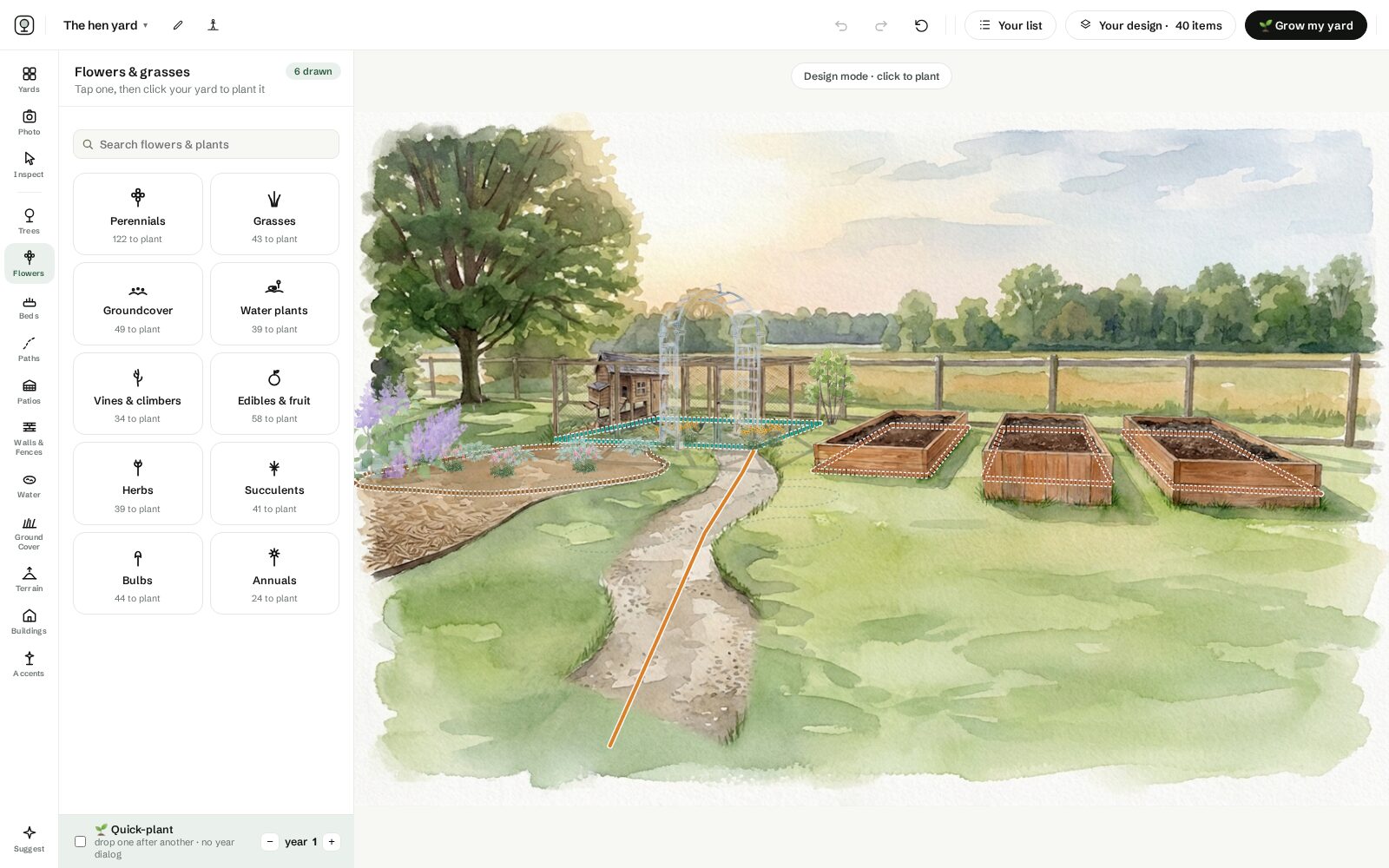
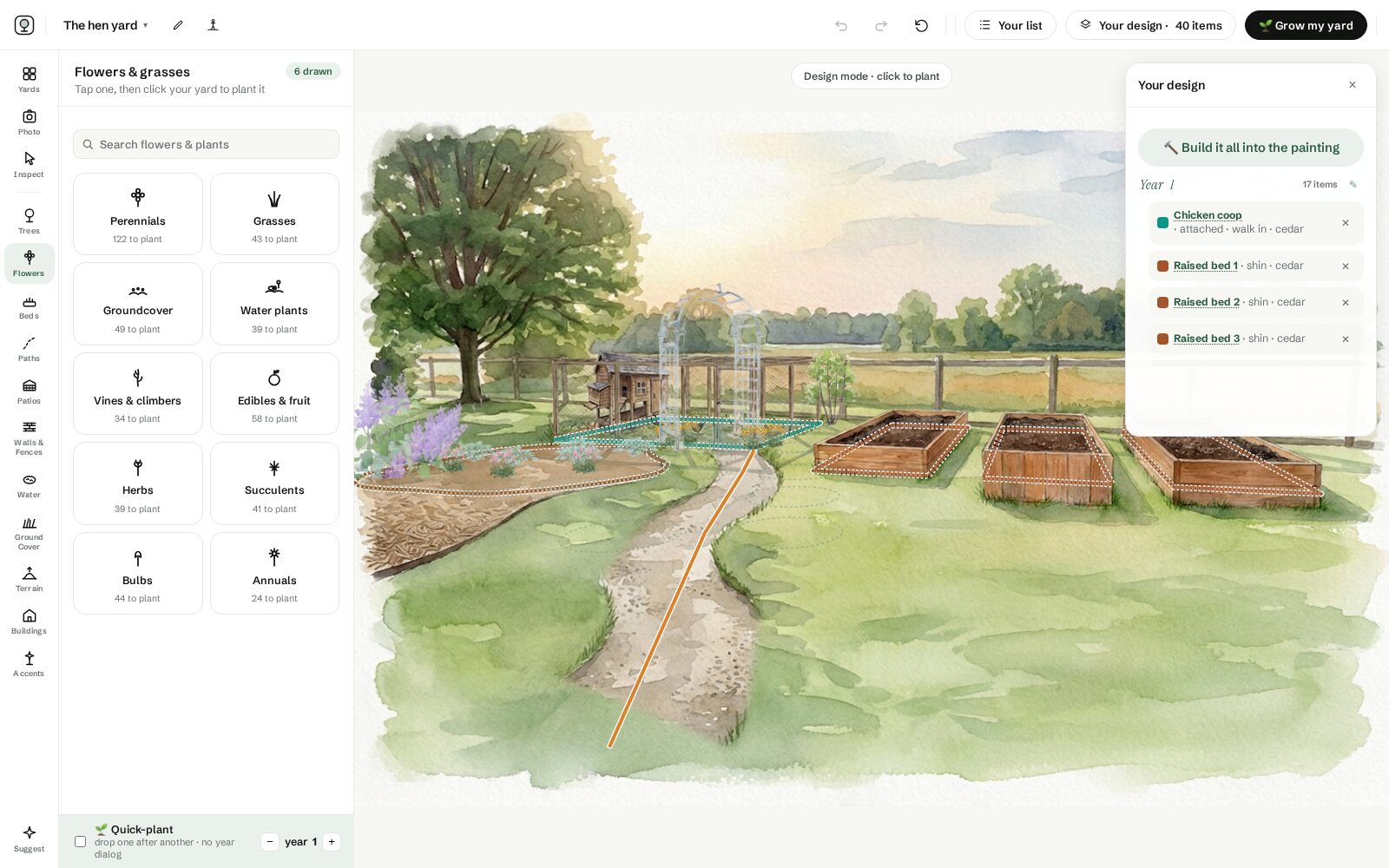
Put the coop where you can see it from the kitchen window, on ground that drains, with morning sun and afternoon shade. Check your local setback rules first; many towns want coops 10 to 25 feet off the property line. Doing this on a real image of your yard makes the setback conversation with the city, and the neighbor, much easier.
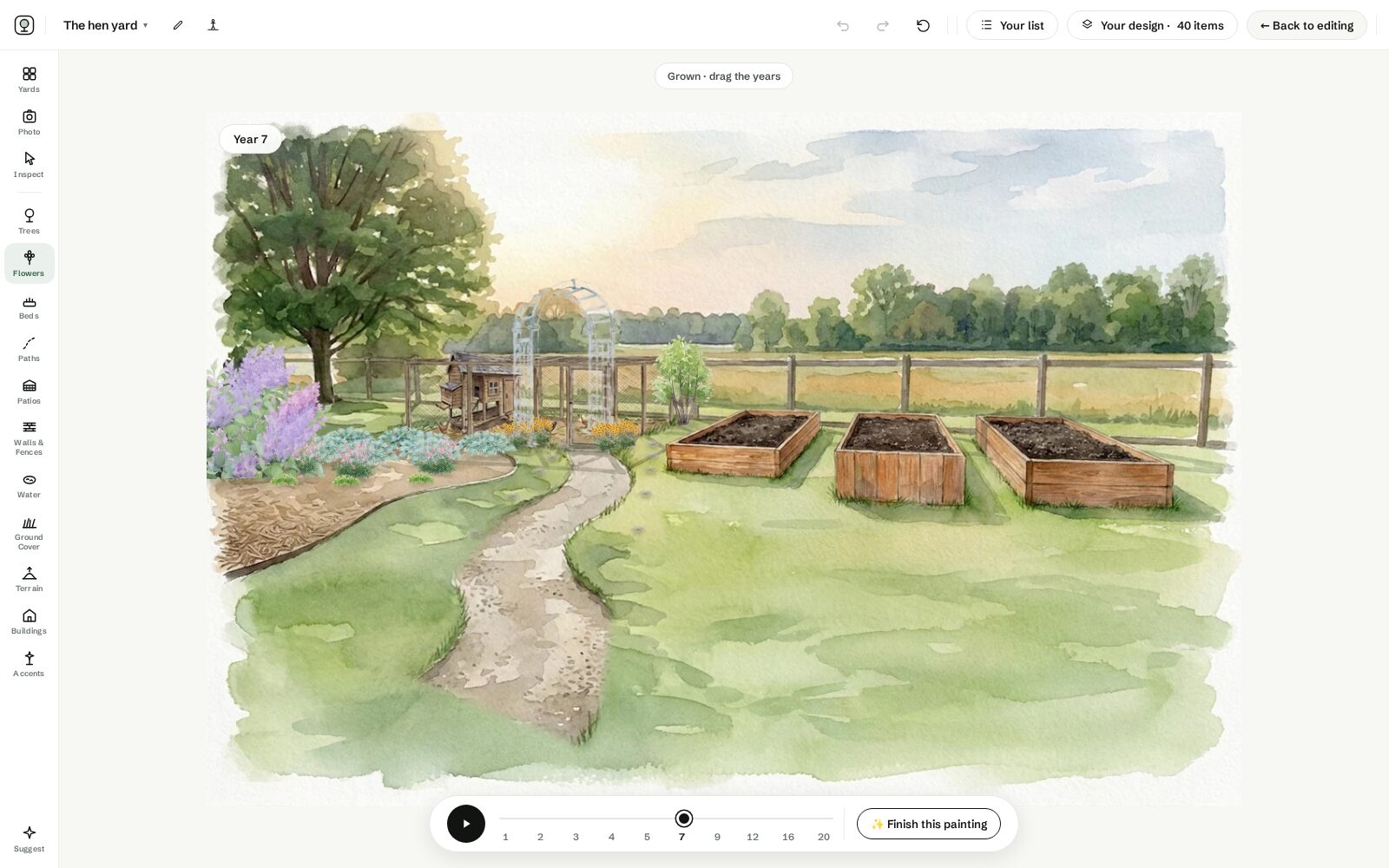
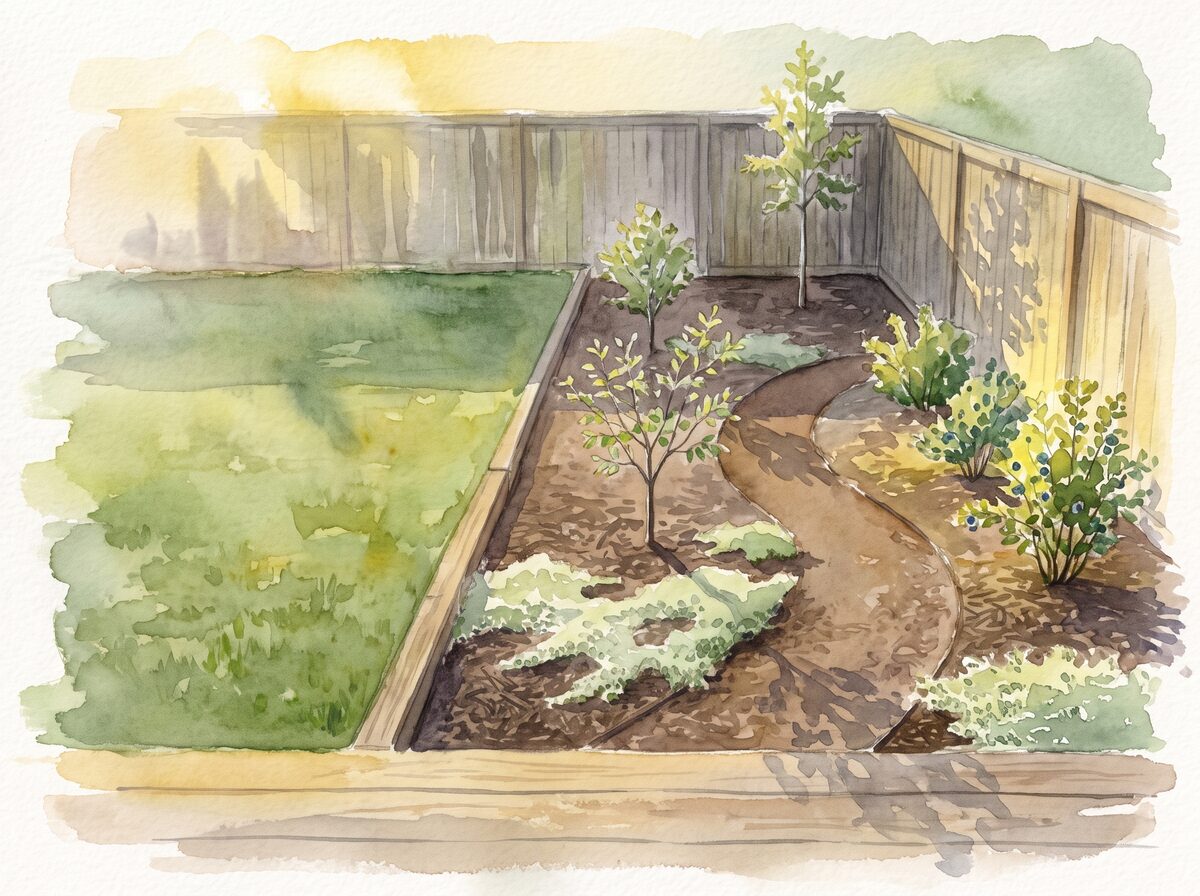
Year eight of the sample plan — the coop sited where the afternoon shade lands, the screen closed behind it.
Plant for the birds and around them
Chickens are hard on plants, so the trick is layers: trees and tall shrubs inside or over the run for shade and hawk cover, forage plants like serviceberry that drop fruit they love, and everything precious fenced outside the run. Skip the toxic list around the birds, no foxglove or nightshades where they range. Herbs like thyme near the coop door are traditional for a reason: the hens ignore them and they handle the traffic.
Make it beautiful on purpose
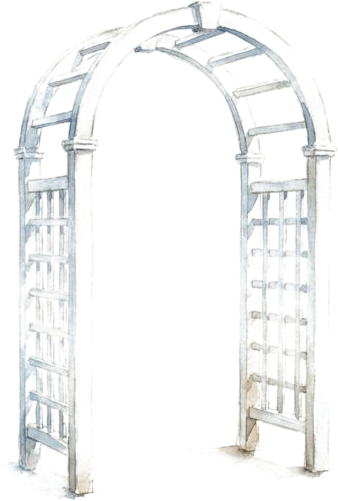
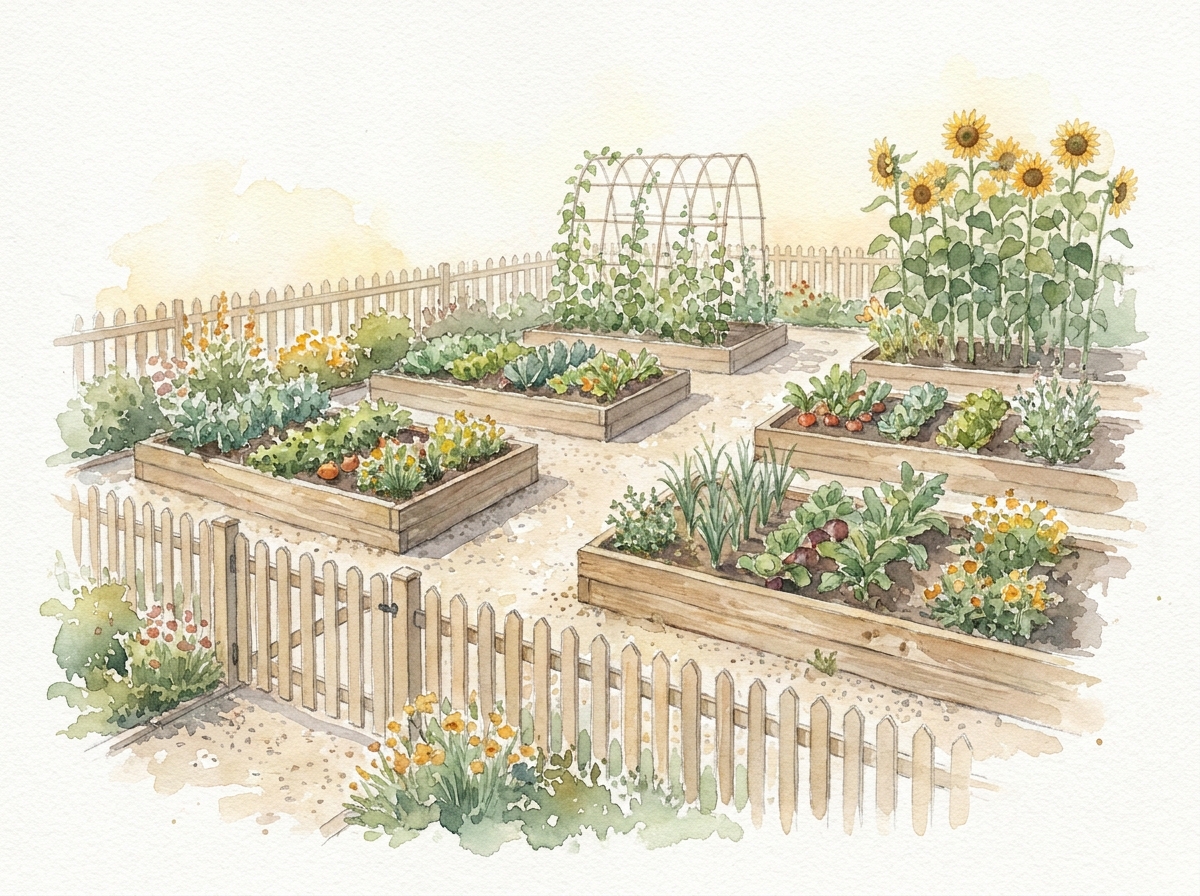
A lilac screen between the run and the patio, an arbor over the gate, raised beds along the outside of the run fence where the birds fertilize but cannot reach. That is the difference between a coop in the yard and a chicken garden, and it is exactly the kind of plan that is hard to see in your head and easy to see painted.
The coop is the whole budget.
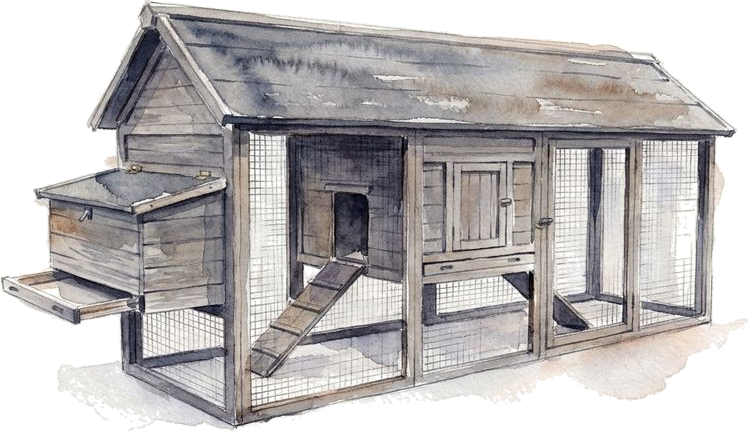
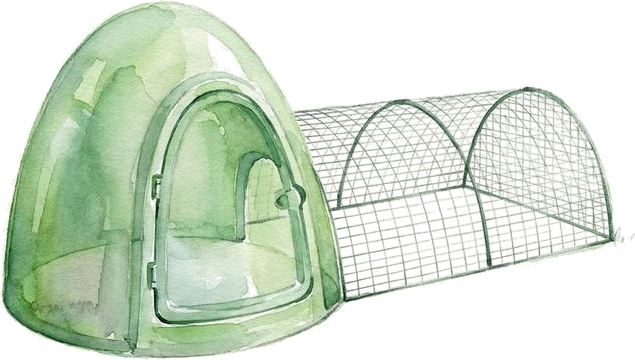
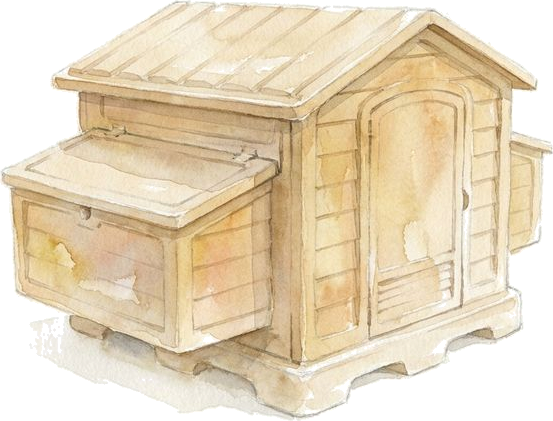
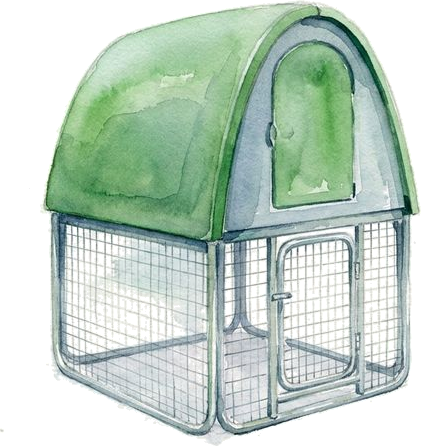
Be honest about this one: the hens will not pay you back. Chicks are a few dollars each and feed runs about $20 a month, but a coop worth keeping — real framing, half-inch hardware cloth, a buried apron — is the one real check you write, and a prefab from a big-box store is cheaper right up until the first raccoon. Next to that, the garden is a rounding error: a serviceberry and a flat of thyme cost less than the hardware. So build the box right once — and the bed boxes with it, while the lumber and the auger are already out — put the slow plants in the same fall since they are the ones that need the years, and let the lilacs and the border planting come as the budget allows. A year-by-year plan with a build list and a plant list, ready to hand a lumber yard and a nursery, is exactly what the printable Painted Acre report gives you.
The hen yard plan · Zone 6a Ohio
Year 1
The build — and the slow plants
Coop 5 × 6 ft · 6 hensbuilt · 4 sq ft per bird
Run 6 × 10 ft½ in hardware cloth · 12 in apron
Raised beds × 3 + the mulch bedbuilt while the lumber and the auger are already out
Serviceberry × 16 ft B&B · over the run
Creeping Thyme × 10plugs · the coop door path
To do this year
Check the setback before you dig — most towns want 10 to 25 ft
Hardware cloth, not chicken wire; the apron goes 12 in down and out
Give the serviceberry a full season rooted before the hens range under it
Year 2
The screen, and what goes in the beds
Three lilacs along the back of the mulch bed, screening the run from where you sit
Hosta × 7, astilbe × 4 and sweet woodruff × 4 through the mulch bed — all of it low
The run goes bare by August — that is the run working, not failing
Year 3
The gate
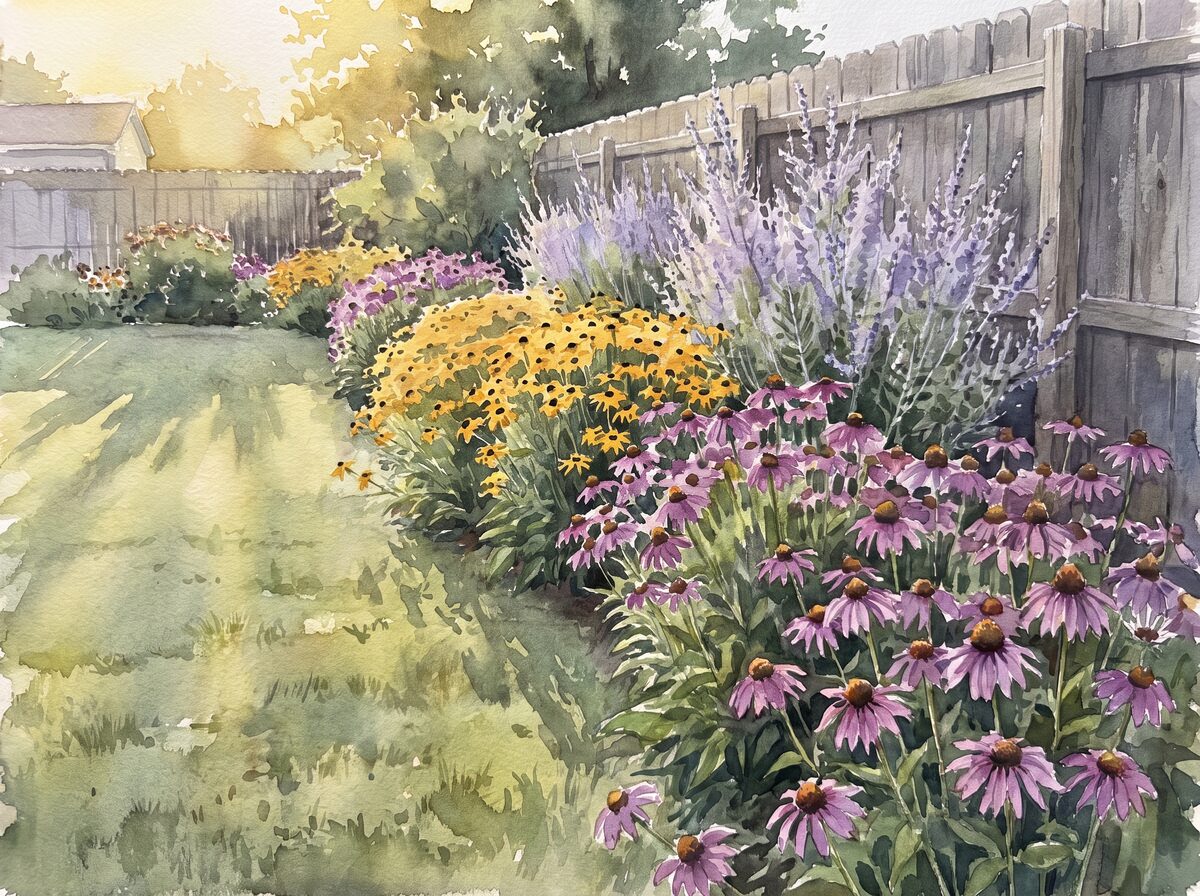
Black-eyed susan either side of the run gate
By year 8: the serviceberry shades the whole run
From the sample plan's printable report — the build in year one, the screen in year two, the gate in year three.
The hen yard palette, painted
Everything here is safe around chickens and tough enough to live next to them. Each is painted at every age, and your ZIP narrows the palette to what survives your winters.
Serviceberry
Native, four seasons of interest, and the June berries are hen candy.
Zones 4–820 ft
Common Lilac
A tough screening shrub for the run fence line; scent for you, shade for the hens.
Zones 3–712 ft
Creeping Thyme
Traffic-tolerant groundcover for around the coop door.
Zones 4–90 ft
Black-Eyed Susan
Cheerful, tough, and safe near the run.
Zones 3–92 ft
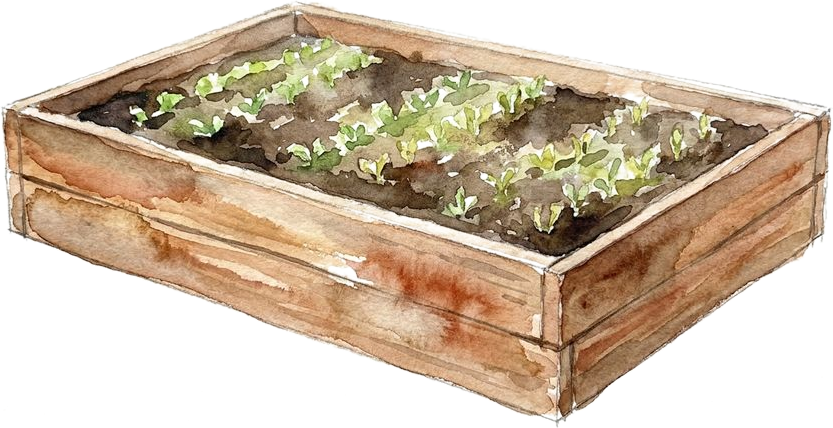
Raised Veggie Bed
Grow greens along the outside of the run fence; the hens fertilize, you harvest.
Zones 1–132 ft
Garden Arbor
An arbor over the run gate is the single cheapest way to make the whole thing look intentional.
Zones 1–138 ft
What to expect, honestly: Year 1: the coop and run look raw and dominate the view. Year 3: the lilac screen starts doing its job. Year 8: the serviceberry is at full height, the run sits under dappled shade, and the coop reads as part of a garden.
Questions people ask
▸Can I plan a coop and the garden around it on my own yard?
Yes. Upload a photo of the area, place the coop and mark out the run, then plant the screening and the beds around them and drag the years forward. You can try it on a sample yard first, and no account is needed.
▸Can I check the coop and run actually fit before I build?
The report includes a plan view from directly above drawn to scale, so the run, the paths and the distance to the sitting areas are measurable on paper rather than guessed. That is usually what decides whether the coop goes in the corner or against the fence.
▸Will it show the screening growing in around the run?
Yes. Each shrub and tree grows on its own real curve by age, so you see the honest view from the patio in year two and the year the lilac or arborvitae finally softens it.
▸Does it know which plants survive my winter?
Enter your ZIP and the palette filters to your USDA hardiness zone, so the shade tree you set over the run and the shrubs around it are ones that thrive where you live.
▸What do I get at the end?
A watercolor of the designed yard, the growth view from year one to year twenty, and a printable report with a to-scale plan view from above and a year-by-year shopping list. It is a design plan, so check local rules on keeping hens and coop setbacks separately.