The spacing decision is the whole game
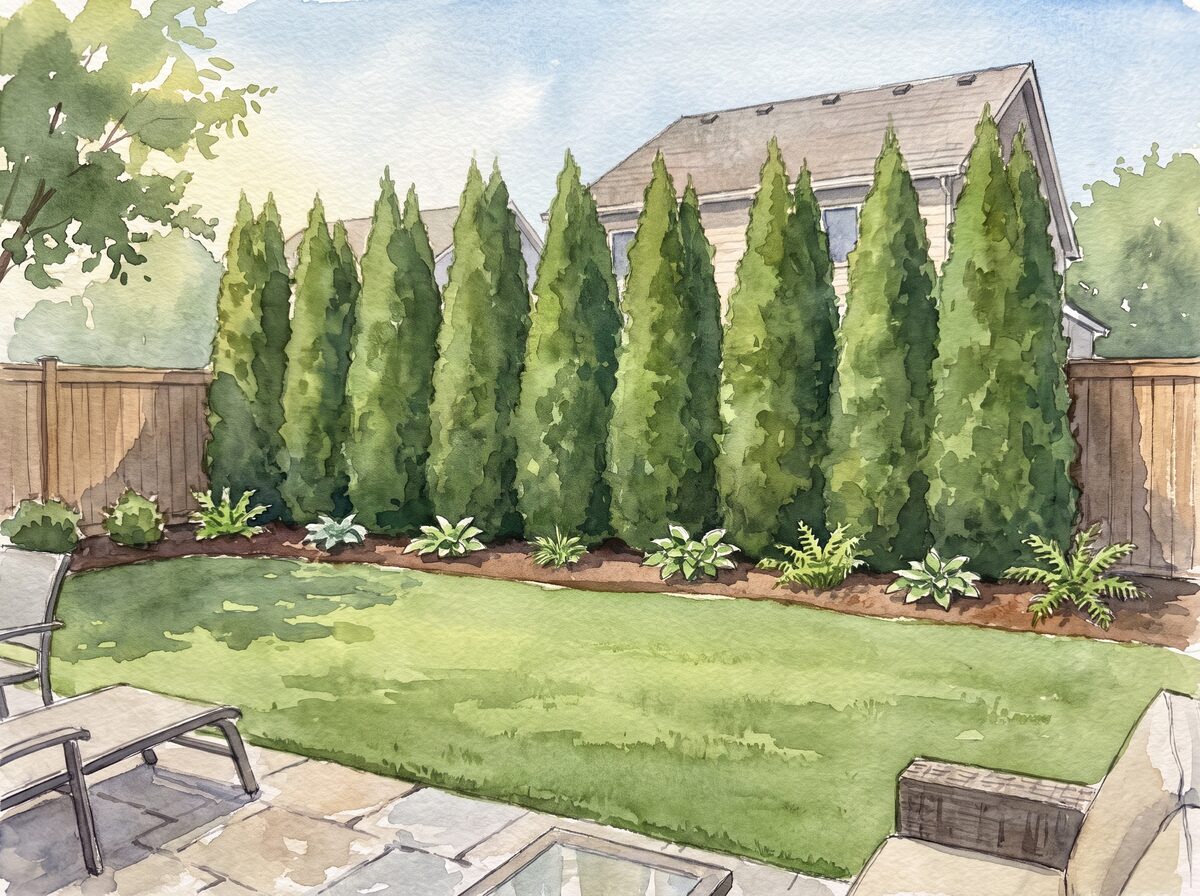
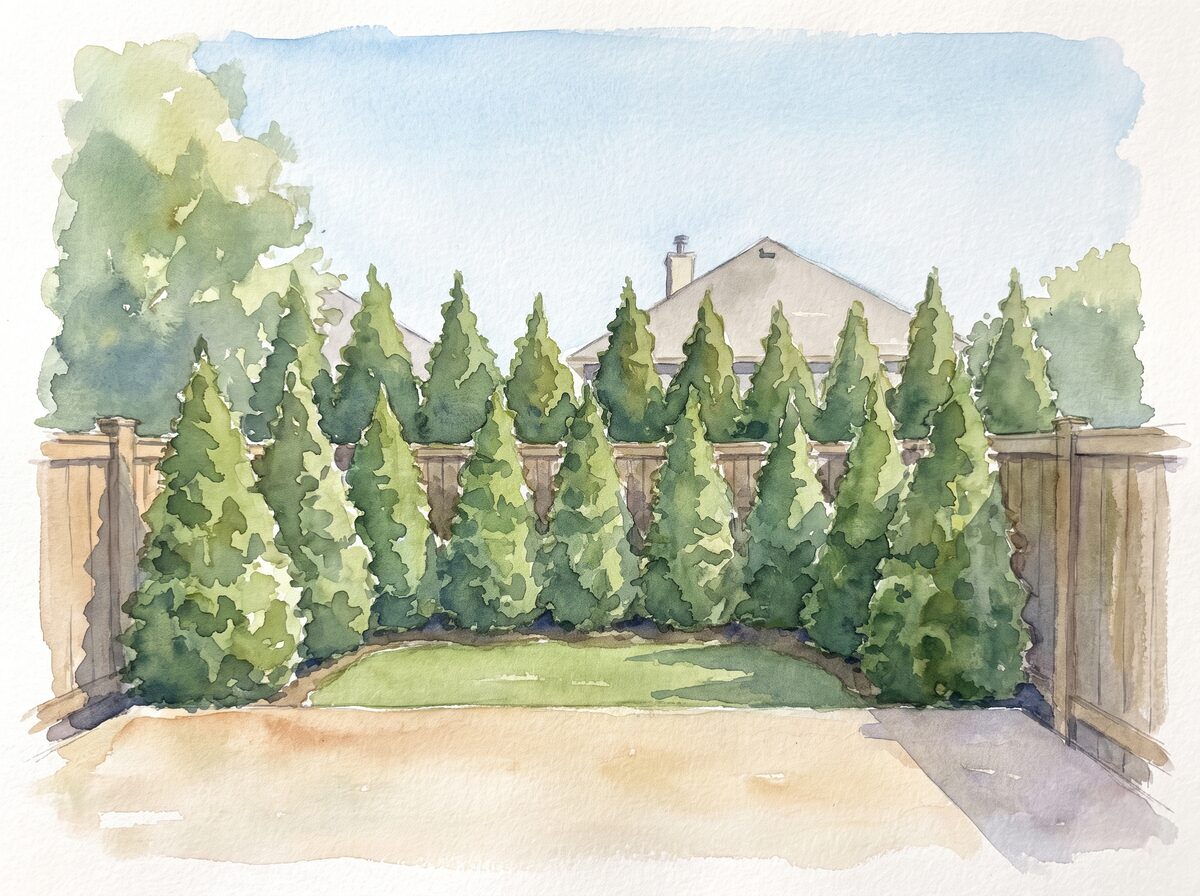
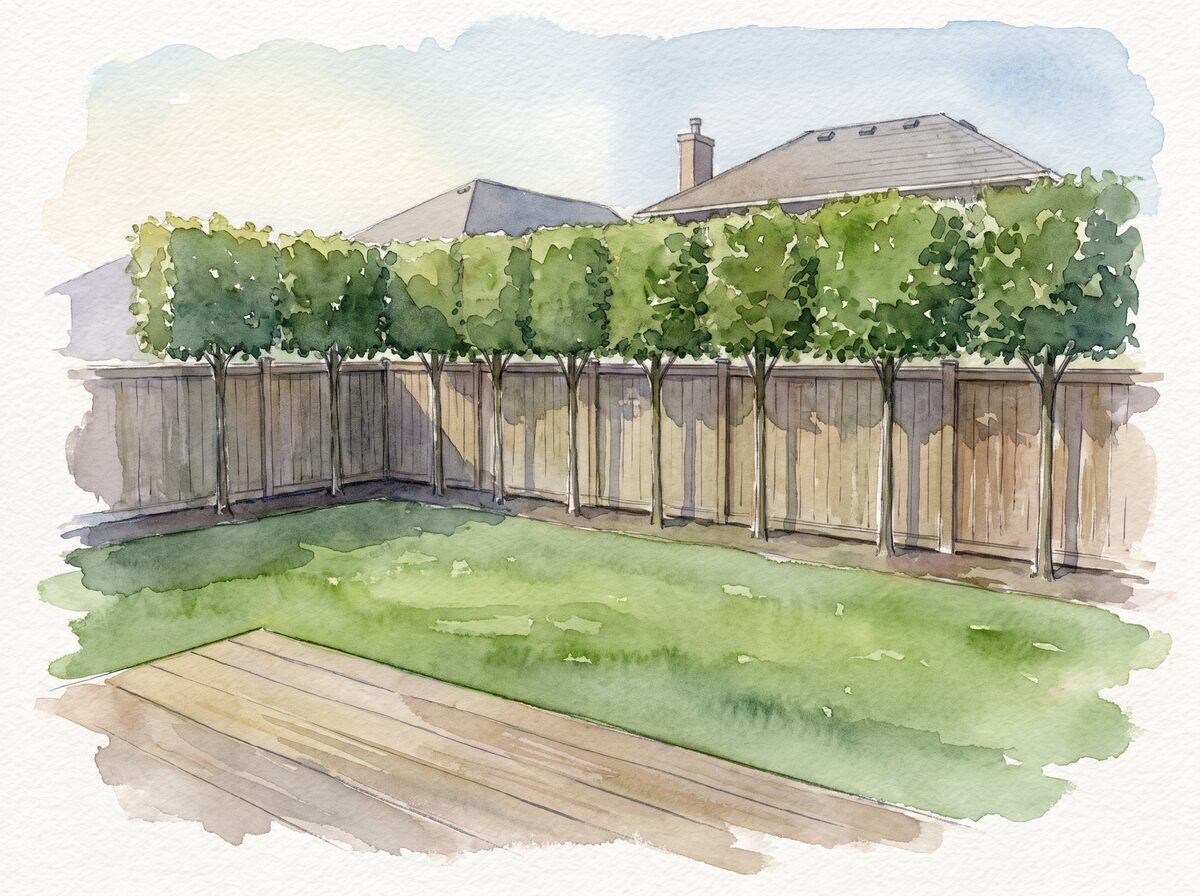
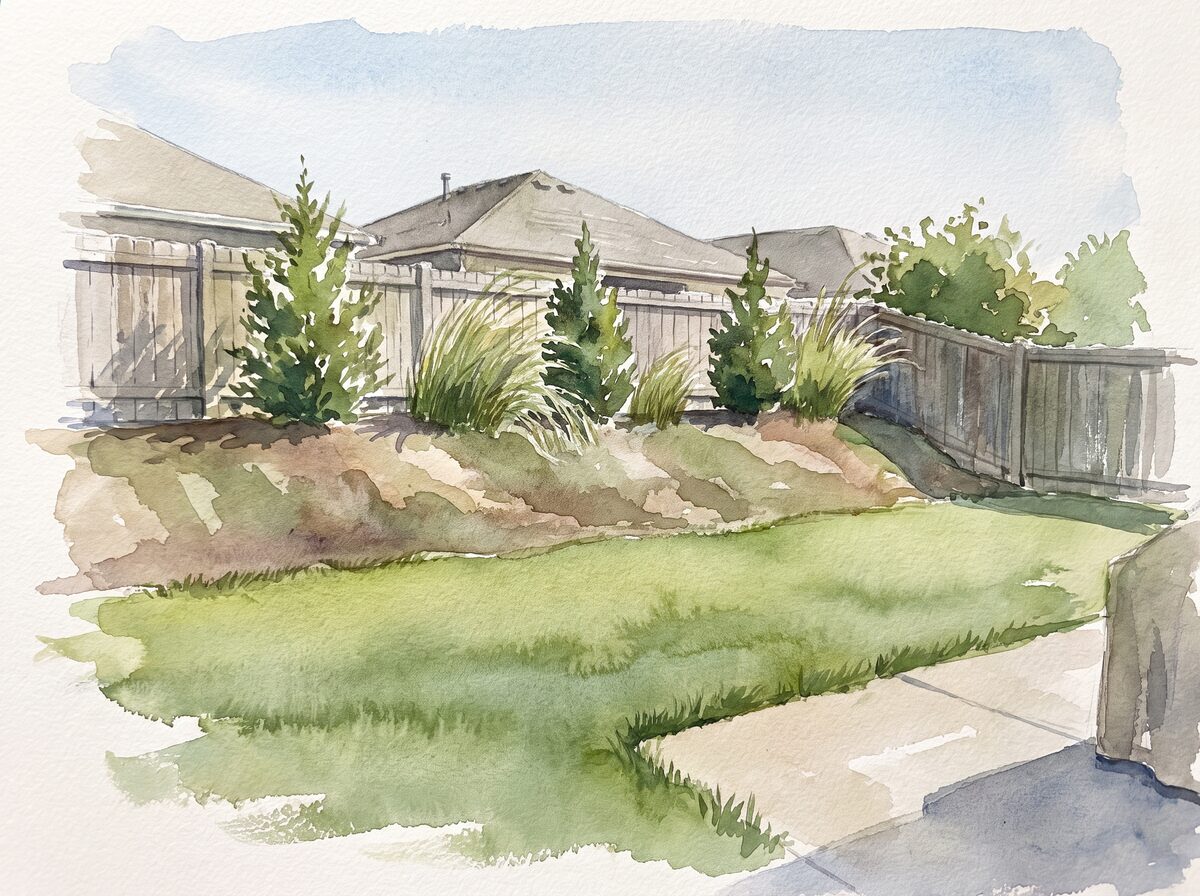
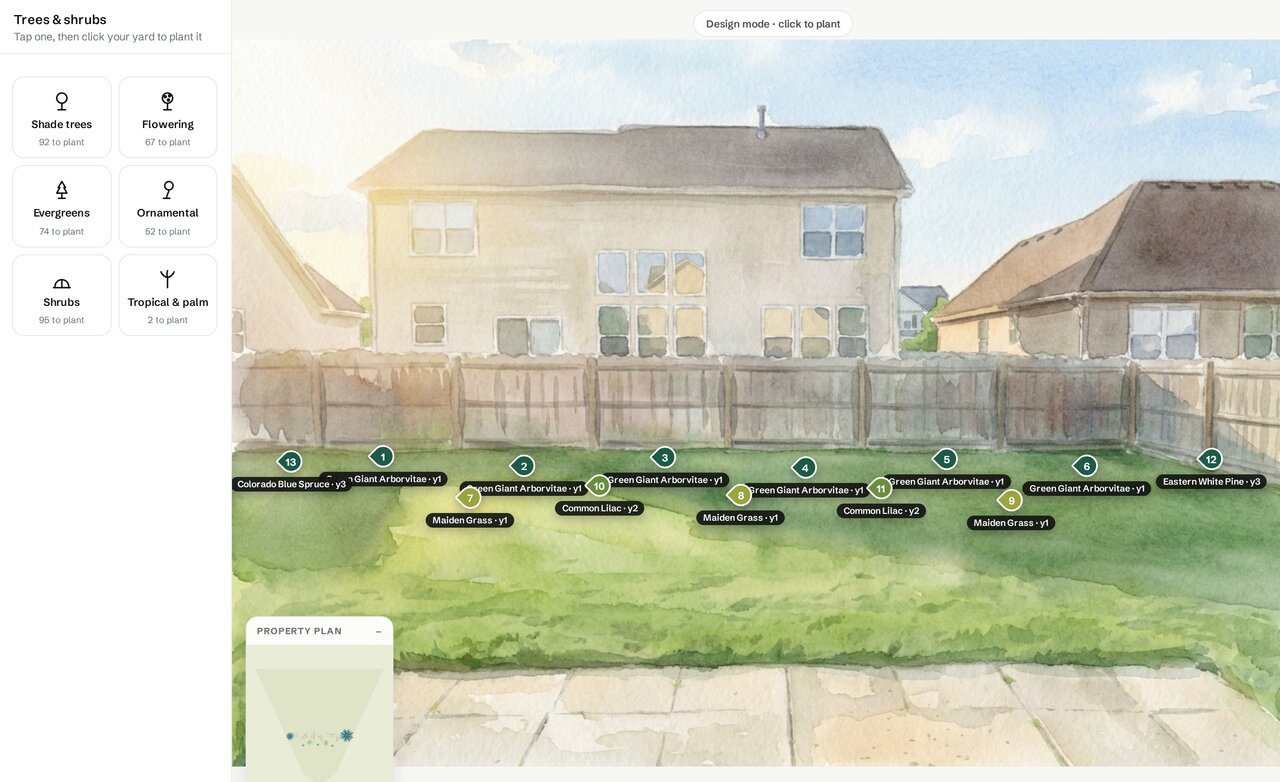
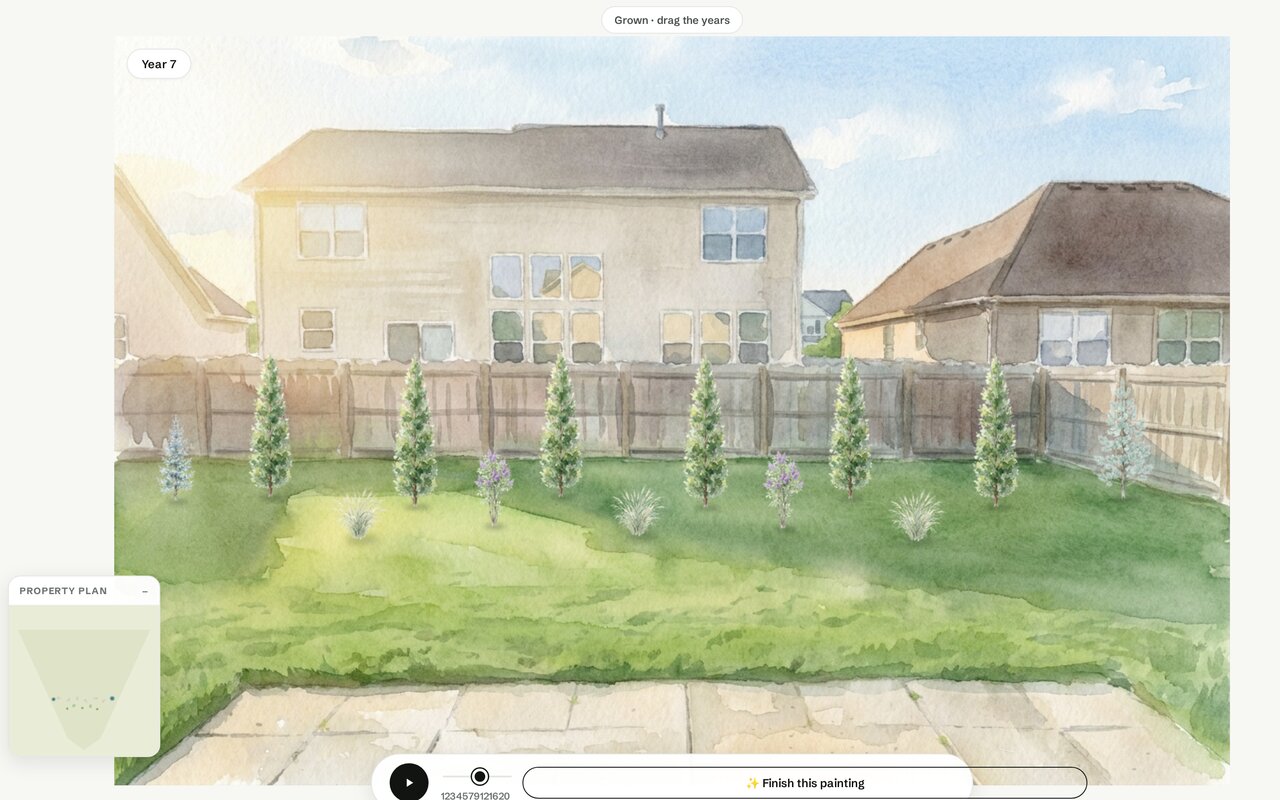
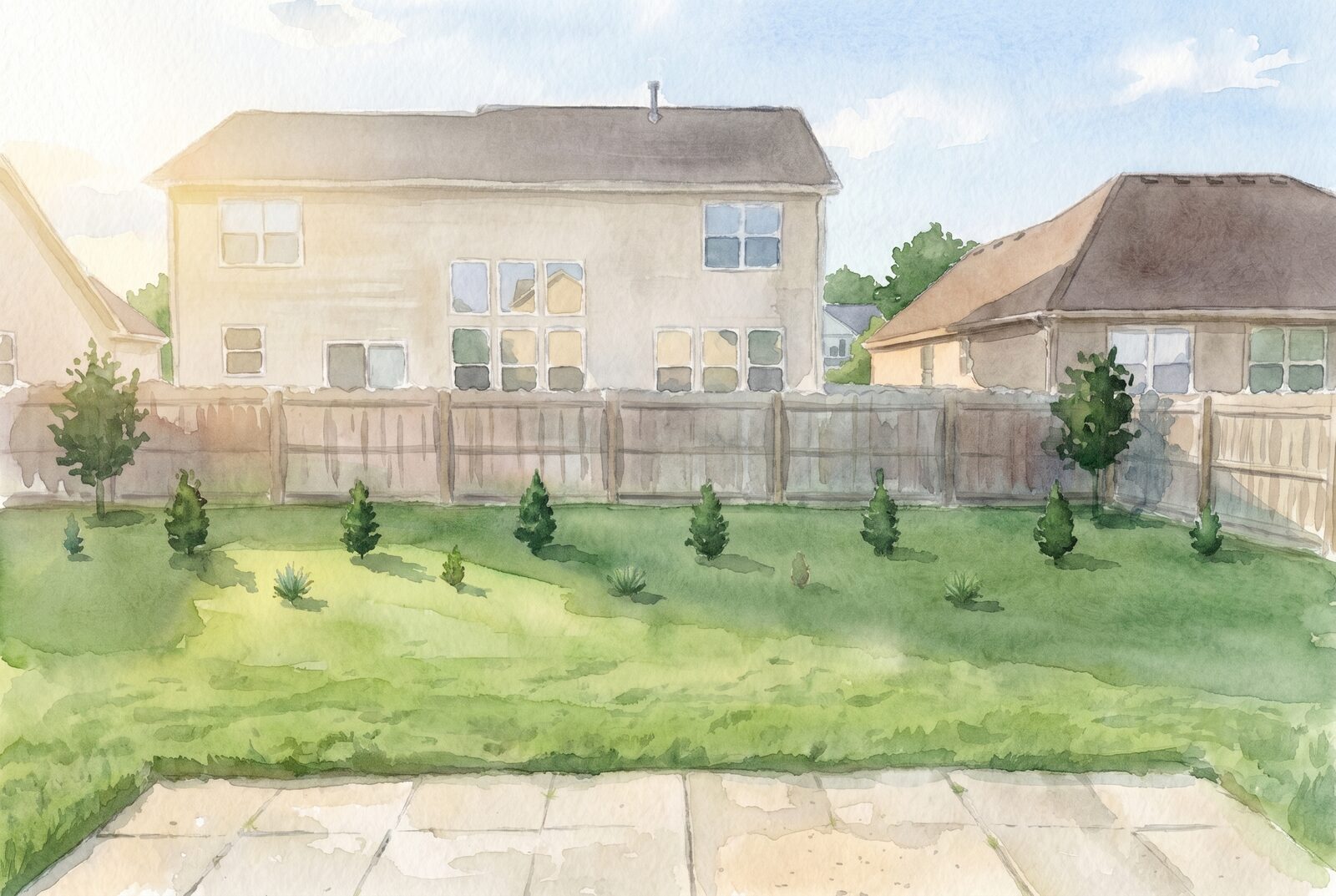
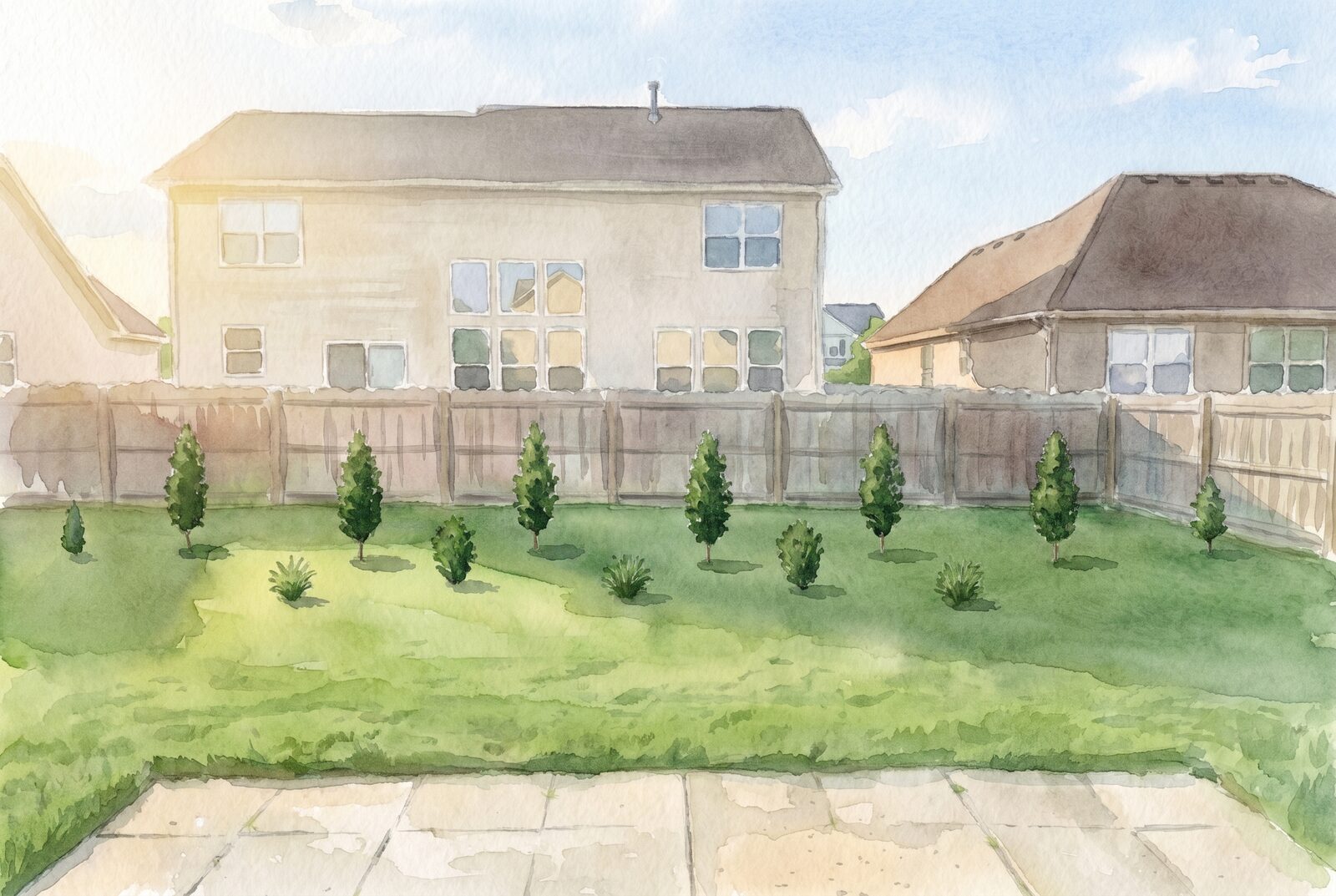
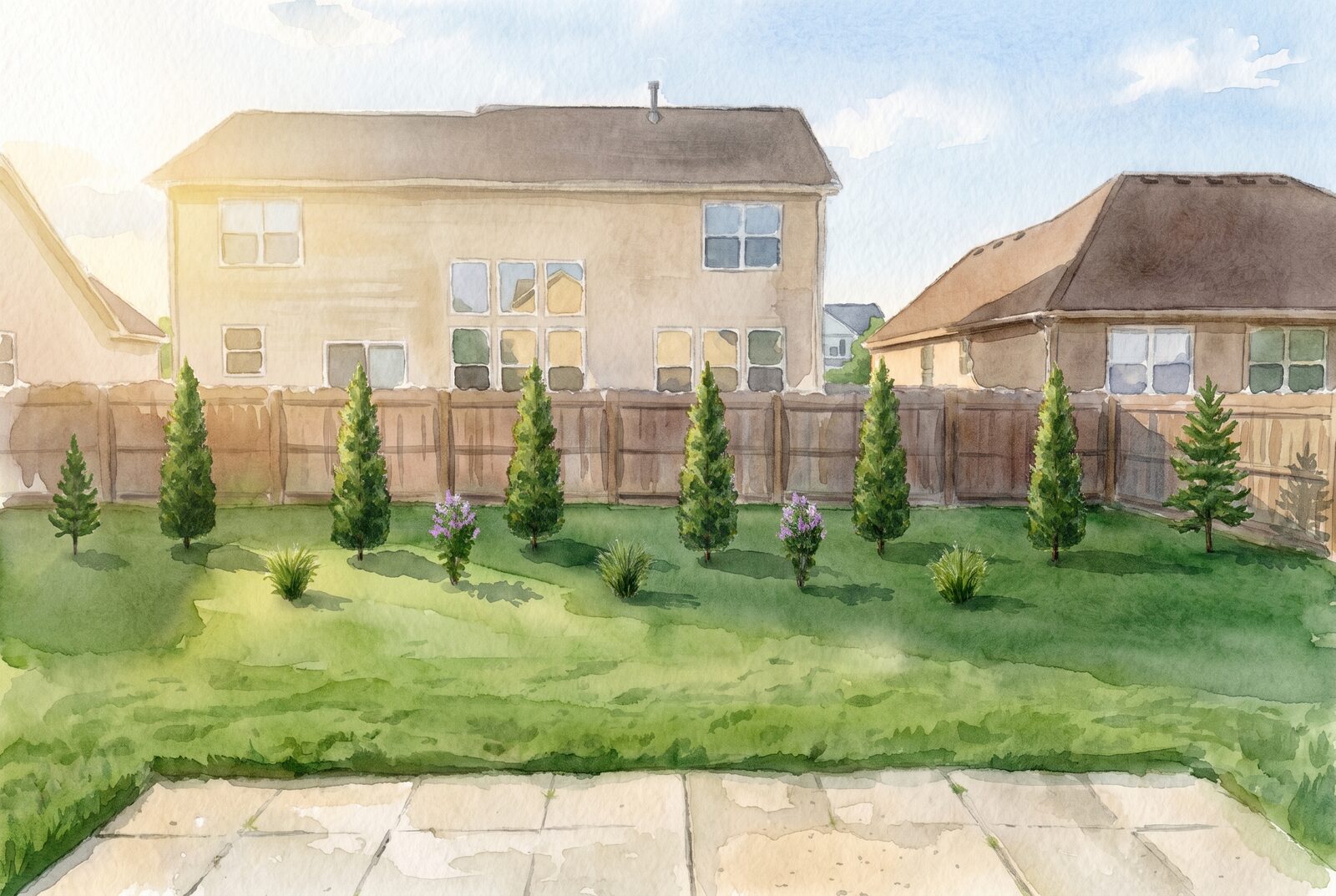
Plant arborvitae 3 feet apart and you get privacy in 4 years and a hedge fighting itself in 15. Plant 6 feet apart and year 2 looks embarrassing but year 20 is magnificent. There is no free lunch, only a tradeoff you should see before you dig. The growth timelapse makes the tradeoff visible: try both spacings on your own fence line and compare the year each one closes.
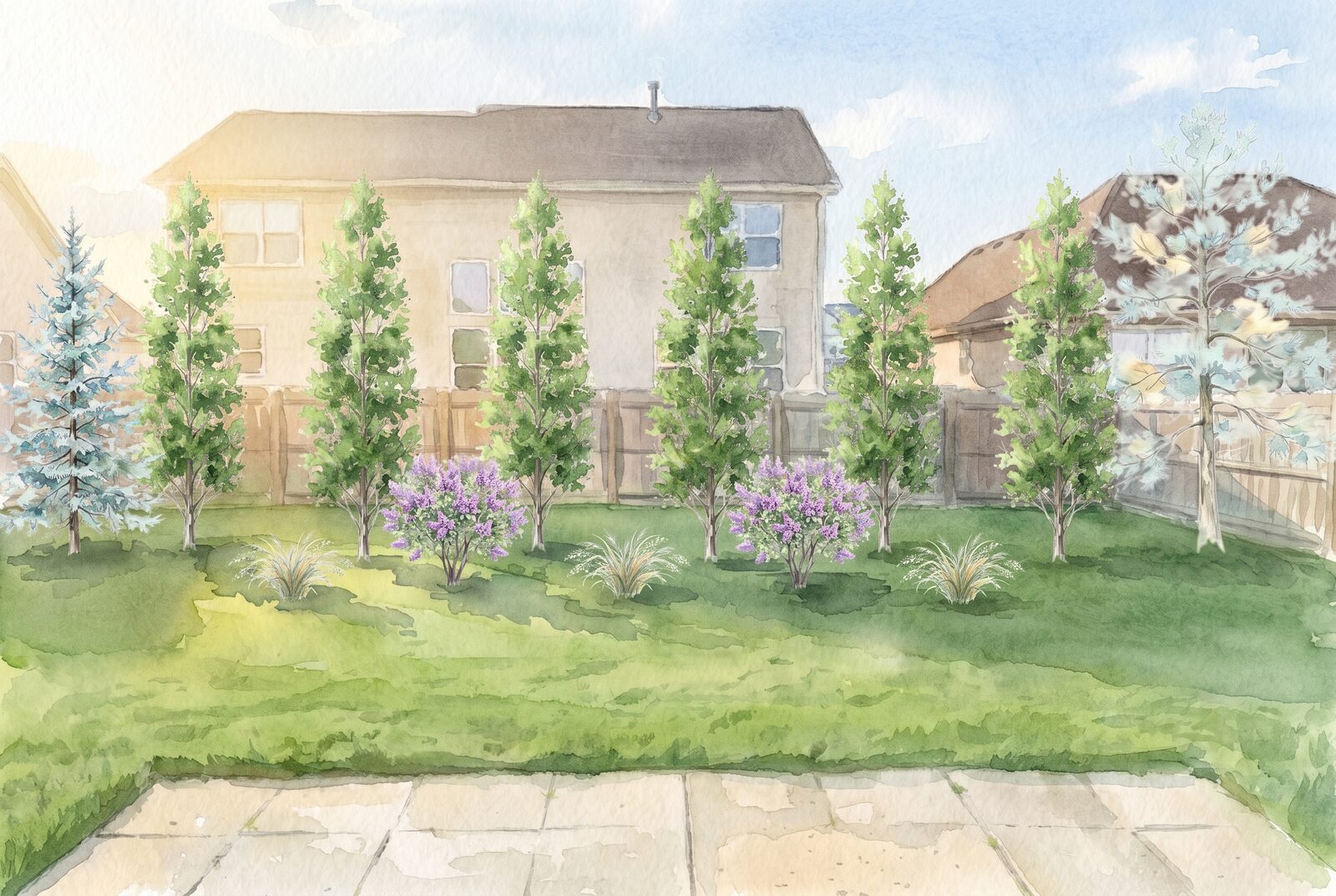
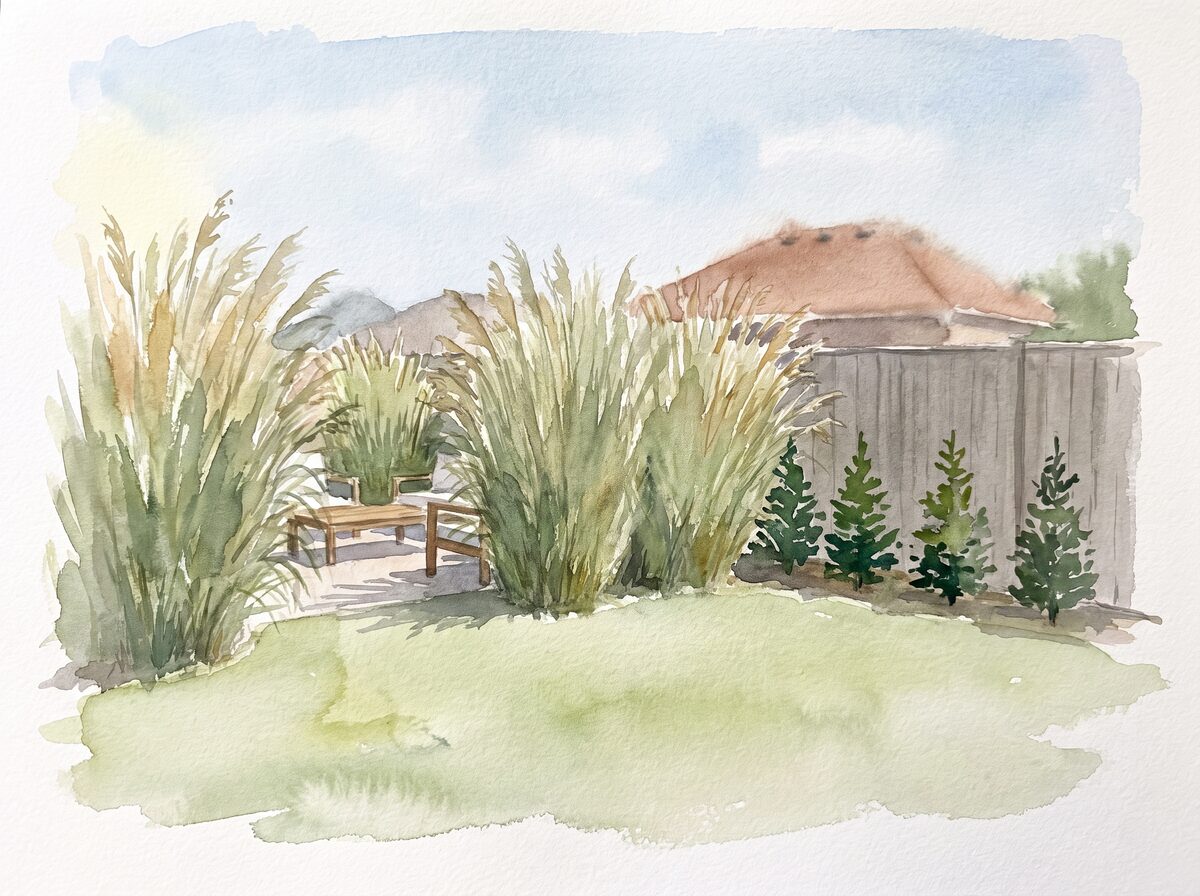
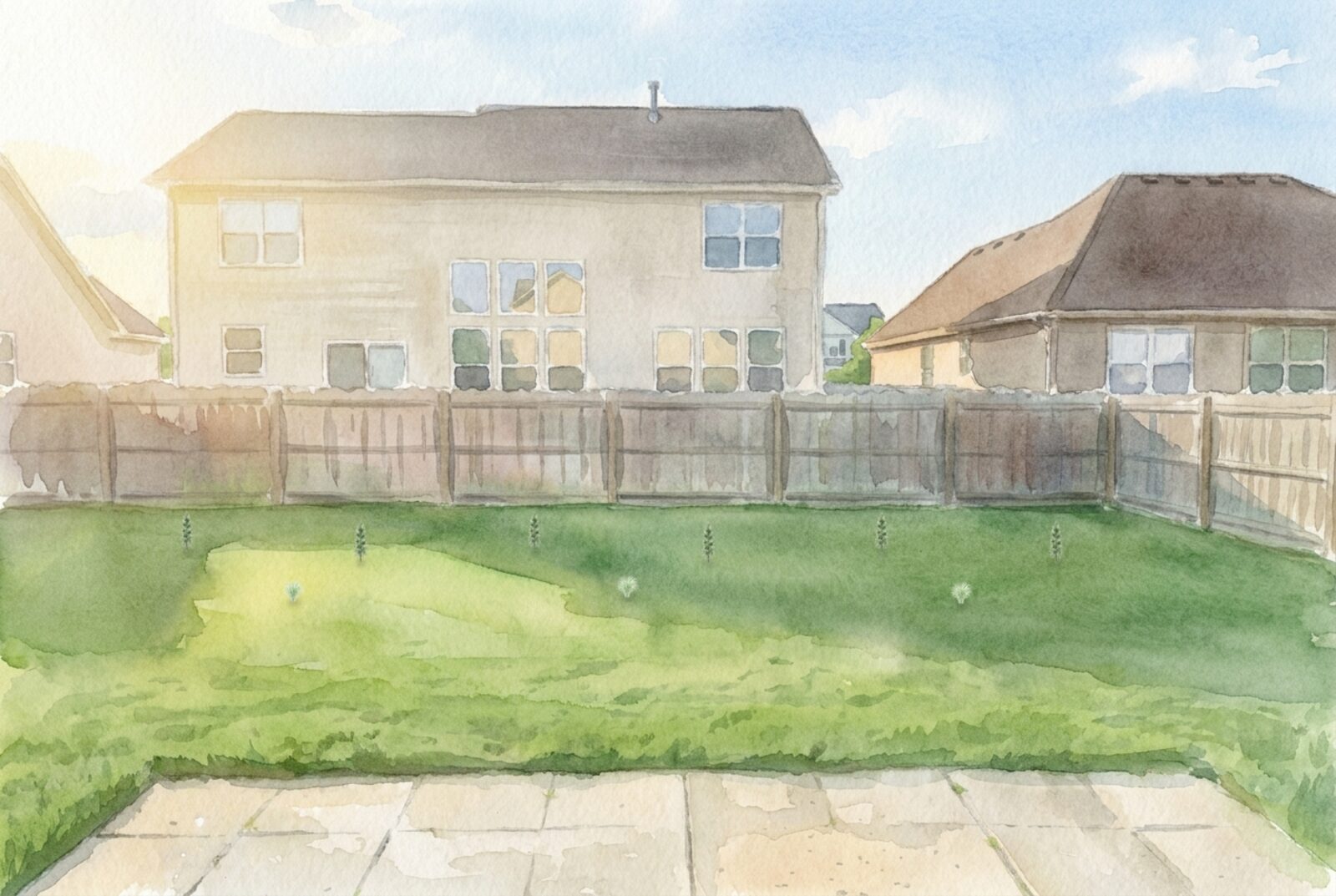
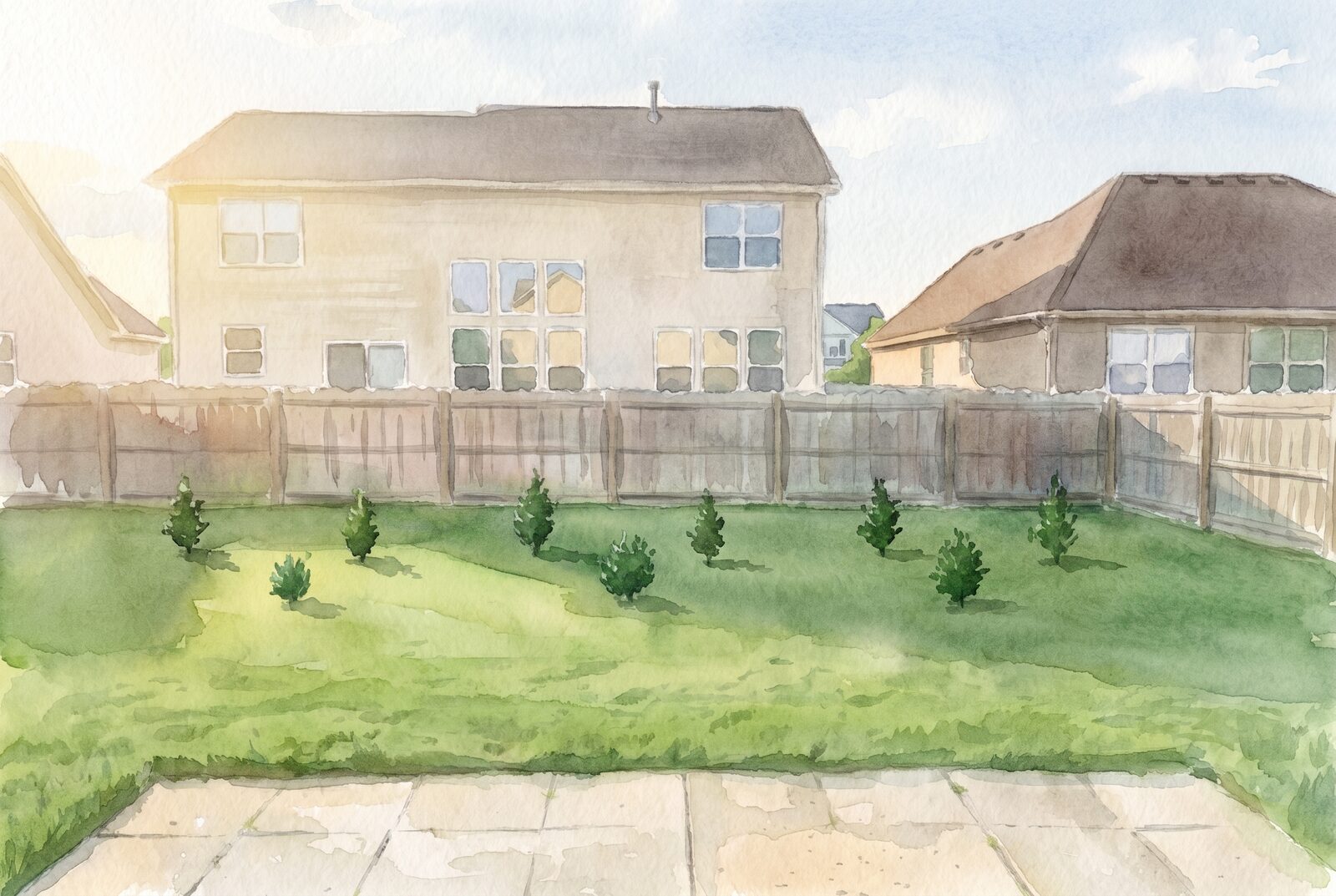
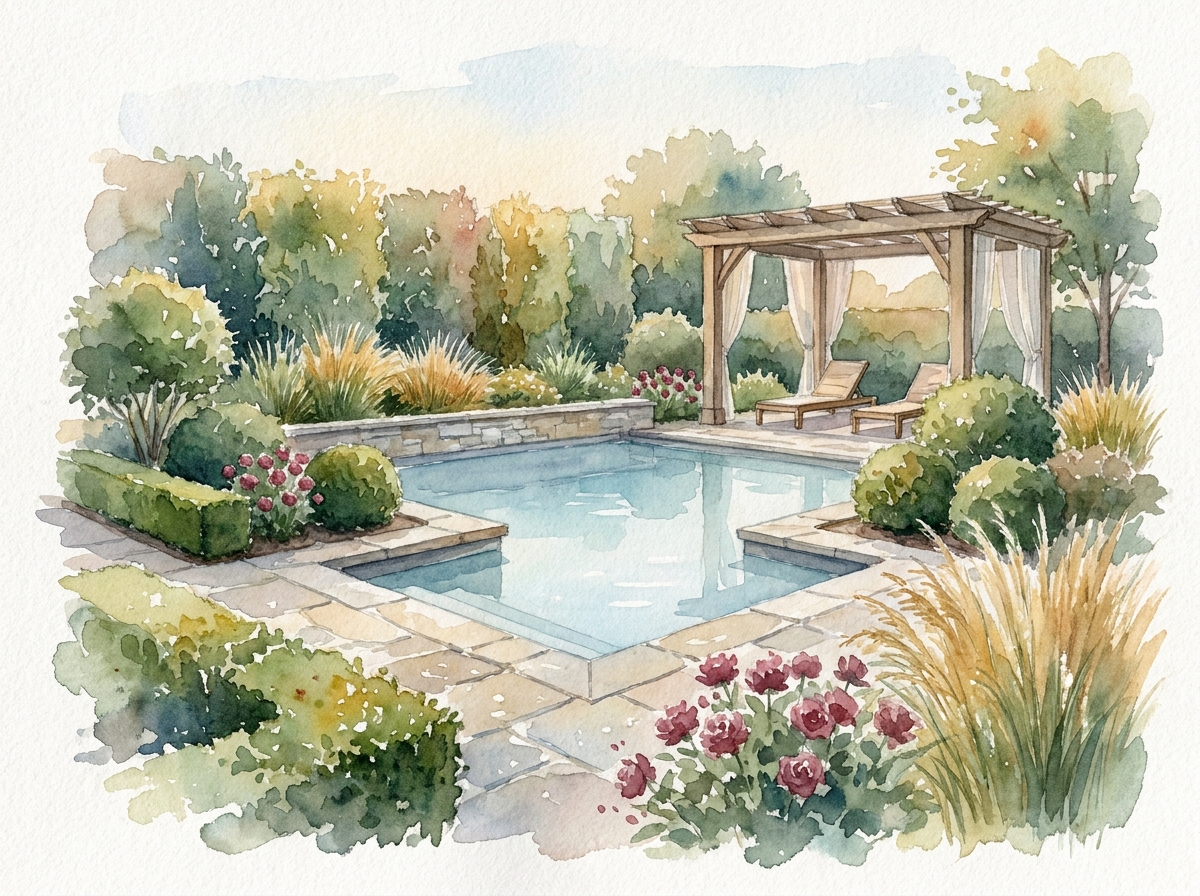
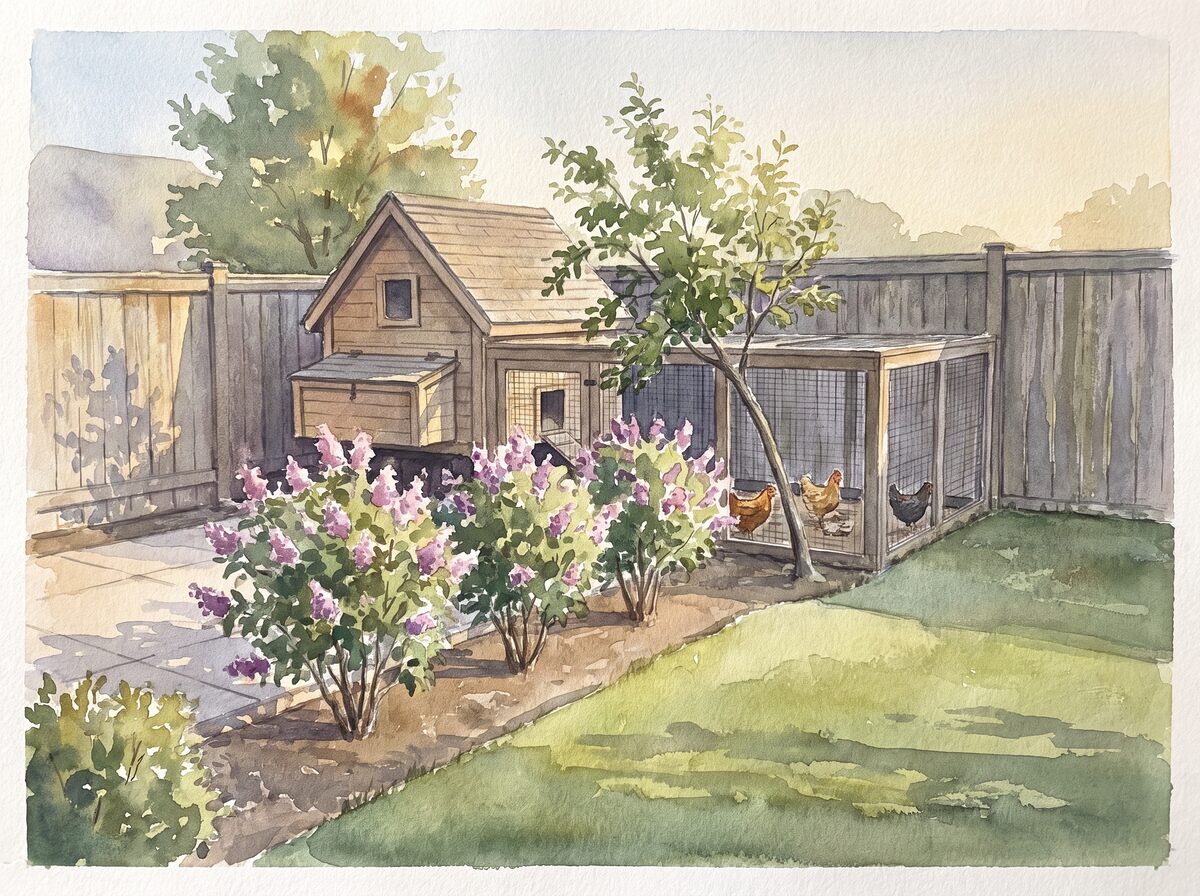
Year three of the sample plan — the grasses hold the line while the evergreens climb.
Mixed screens beat monoculture walls
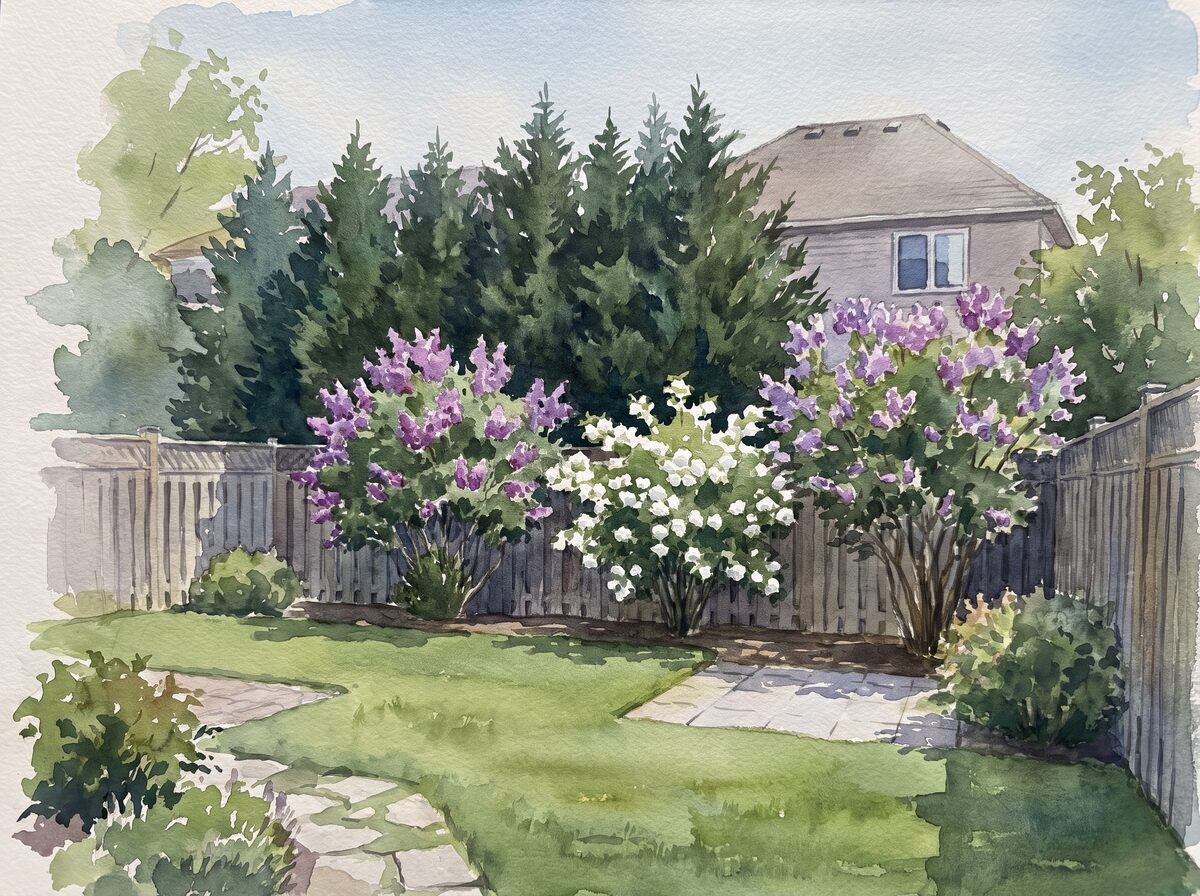
A single-species wall is one disease away from a gap-toothed disaster. A staggered double row that mixes evergreen backbone with flowering shrubs in front looks better every month of the year and fails gracefully. It also gets past HOA boards that veto solid green walls.
Know your sight lines before you plant
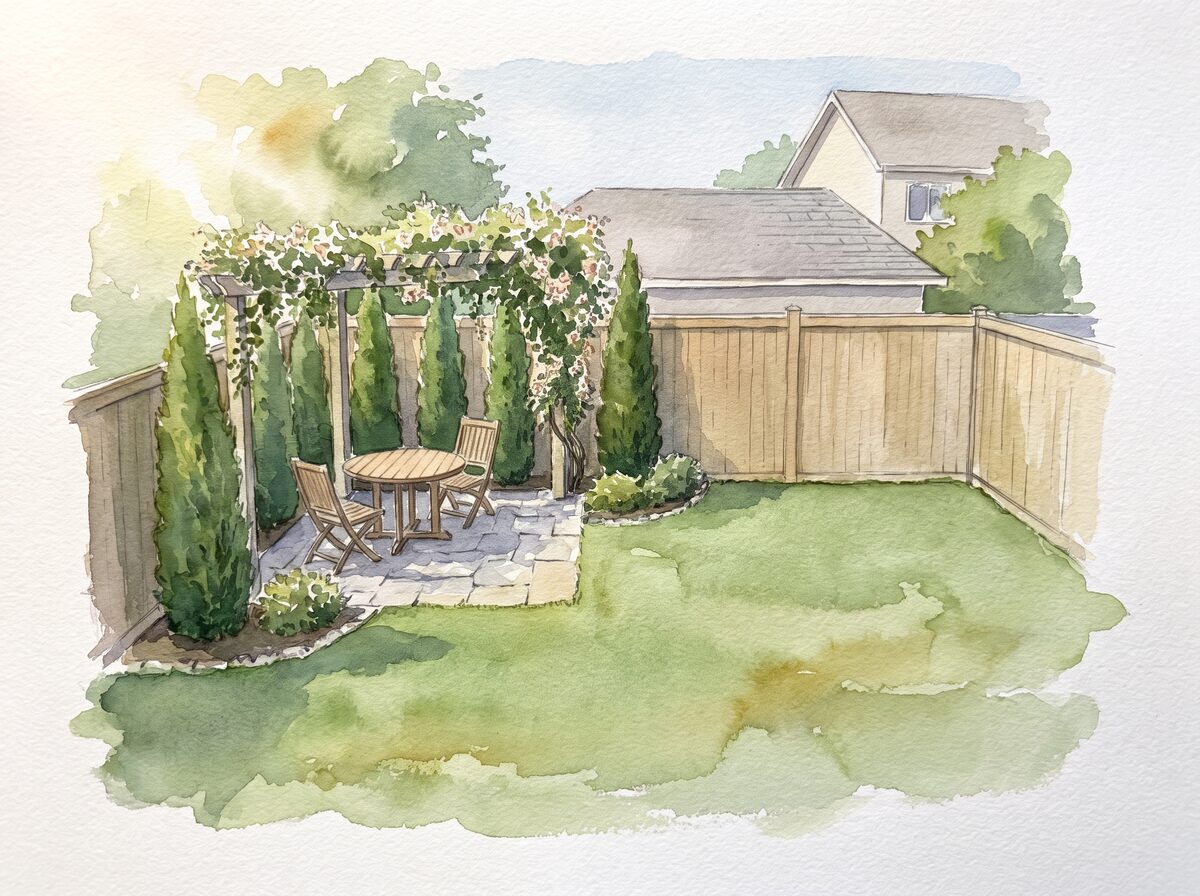
Privacy is directional. Stand where you actually sit, at the patio table, in the hot tub, at the kitchen sink, and screen those specific sight lines instead of the whole property line. Three trees in the right spot often beat thirty along the fence, and they cost a tenth as much.
Phase the spend, not the privacy
A full screen is real money — but it doesn't have to be one check. The grasses that carry the first two summers cost a fraction of the evergreens they're covering for, the lilacs can wait for next spring, and the big corner trees can wait for the budget. A year-by-year plan with a shopping list, ready to hand a nursery, is exactly what the printable Painted Acre report gives you.
The privacy plan · Zone 6a Ohio
Year 1
The backbone — and the instant curtain
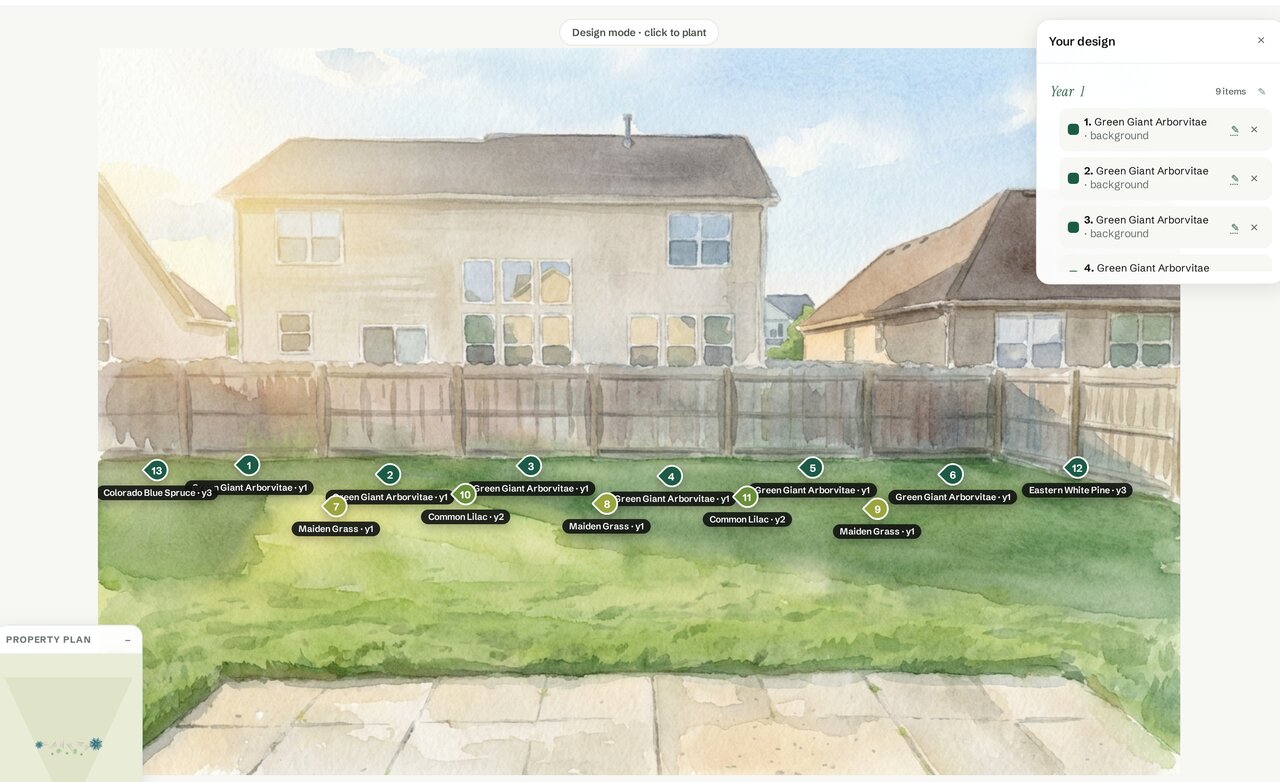
Green Giant Arborvitae × 65–6 ft whips · 6 ft apart
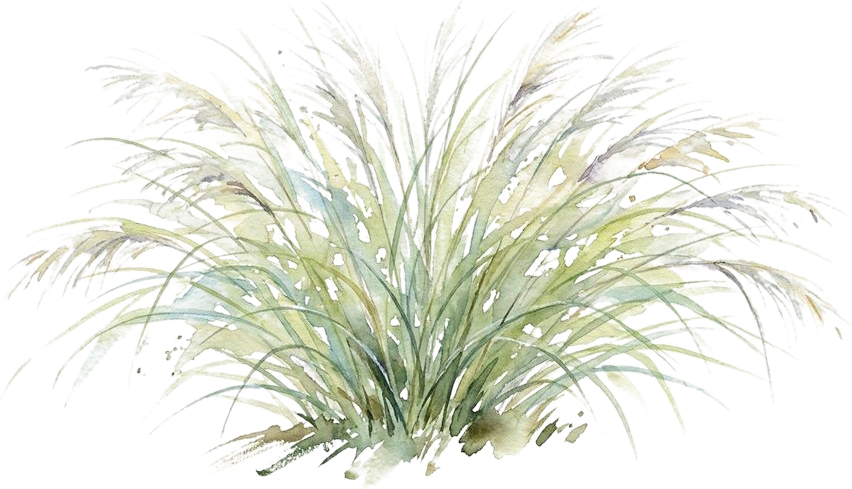
Maiden Grass × 3front row · 6 ft by August
To do this year
Plant in early spring; water deeply weekly through summer
Mulch the row in a continuous 3-ft band, off the trunks
Cut the grasses to 6 inches each March
Year 2
Flowers at eye level
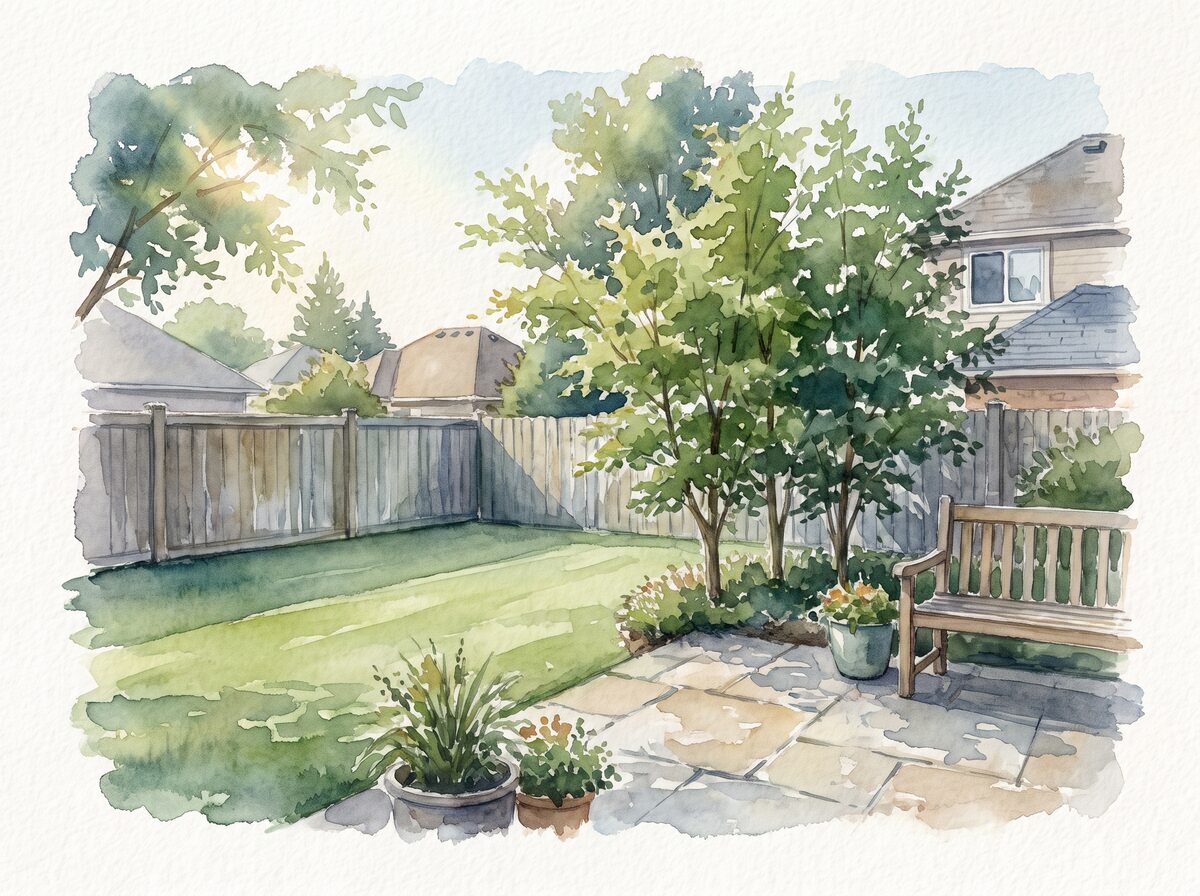
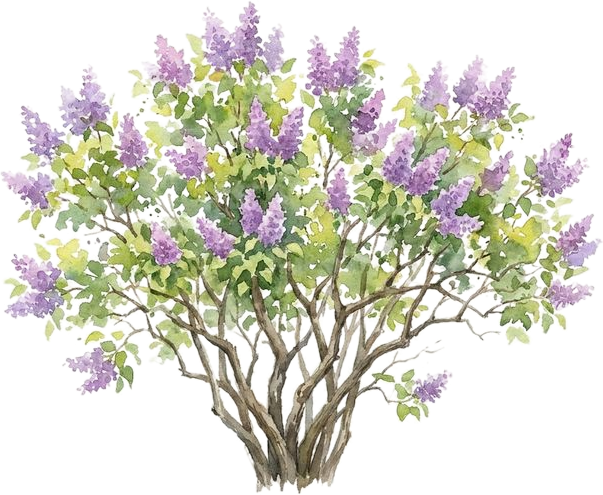
Plant the two lilacs in the front row gaps
First light shear on the arborvitae faces
Year 3
Height on the corner sight lines
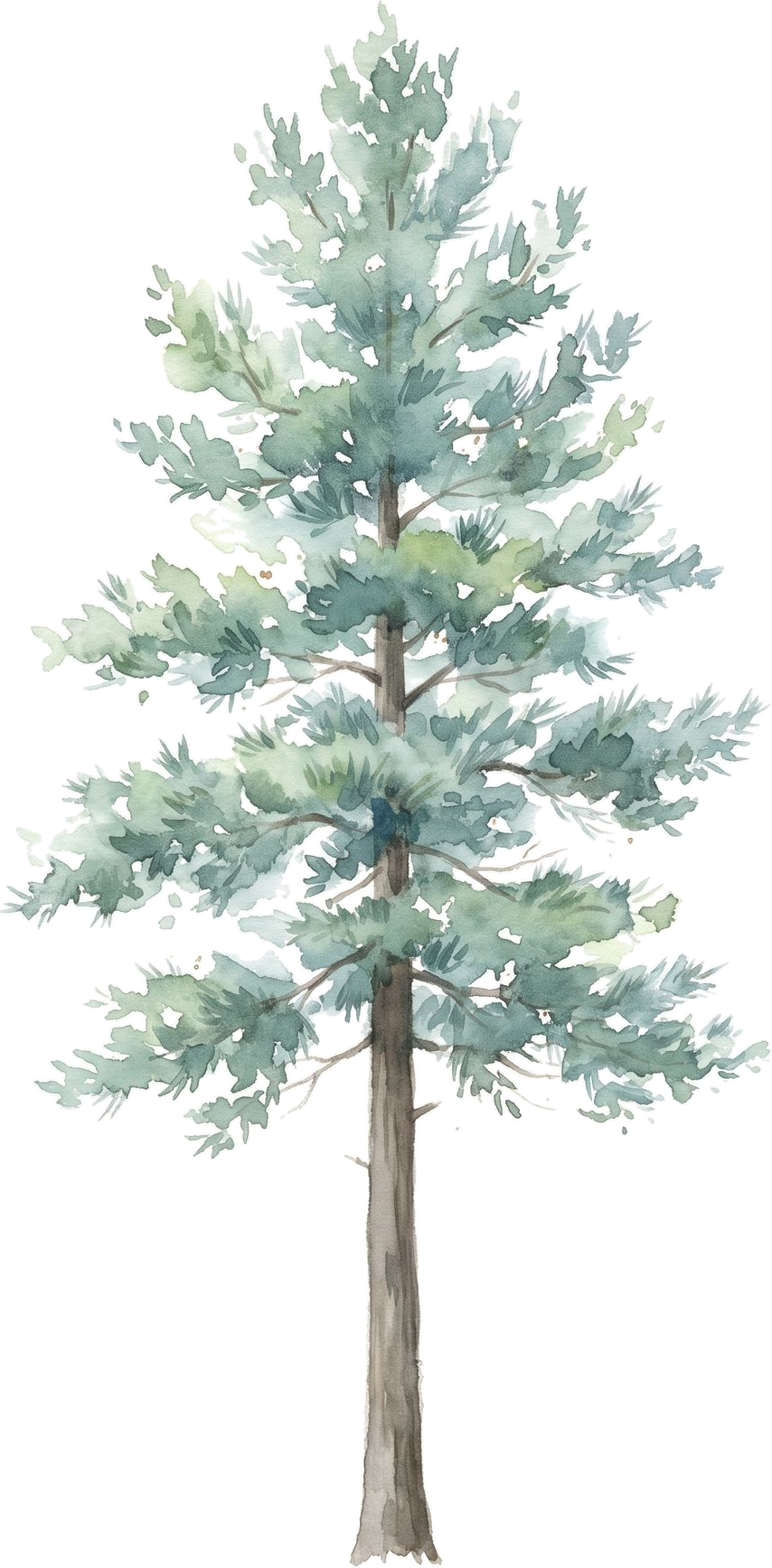
White pine on the right corner sight line
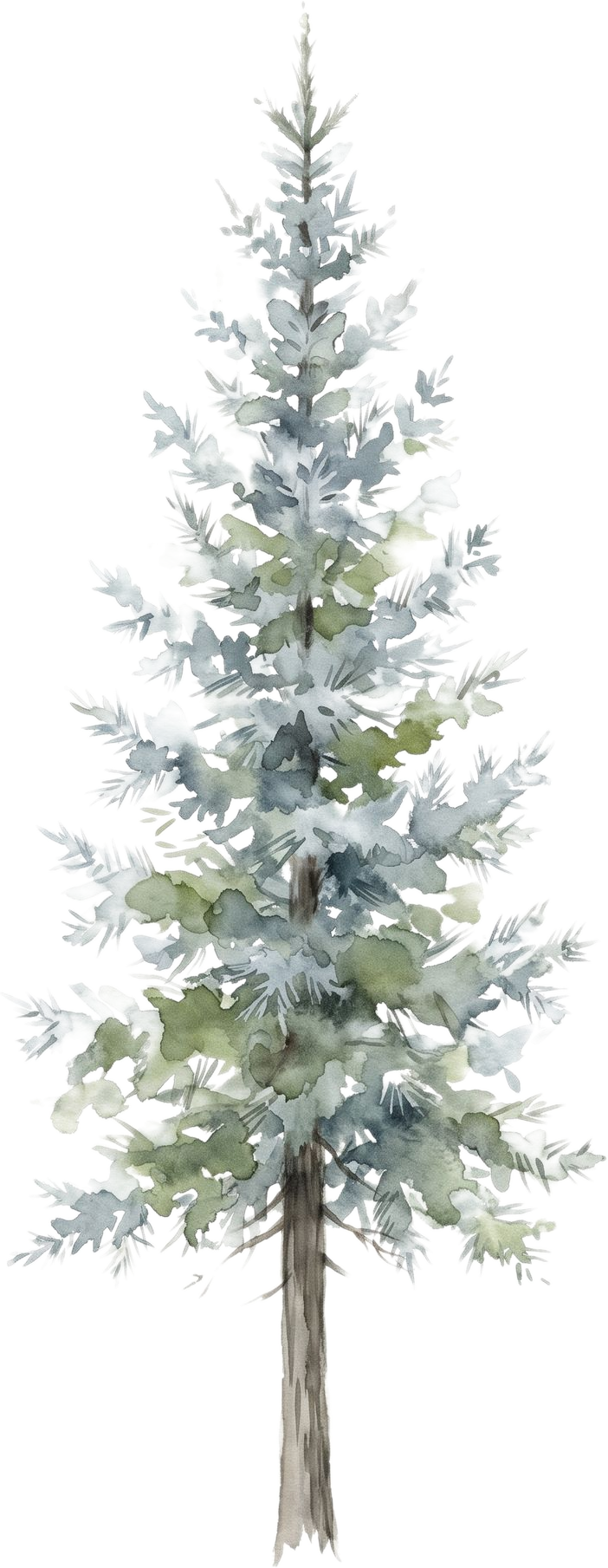
Blue spruce anchors the left corner
By year 8: the screen closes rank
From the sample plan's printable report — the backbone in year one, the flowers in year two, the corners in year three.
The screen, painted
Every plant here earns a place in a layered screen: evergreen backbone, fast seasonal fillers, front-row flowers. Painted at every age so you can watch the gap close, and filtered to your zone the moment you enter a ZIP.
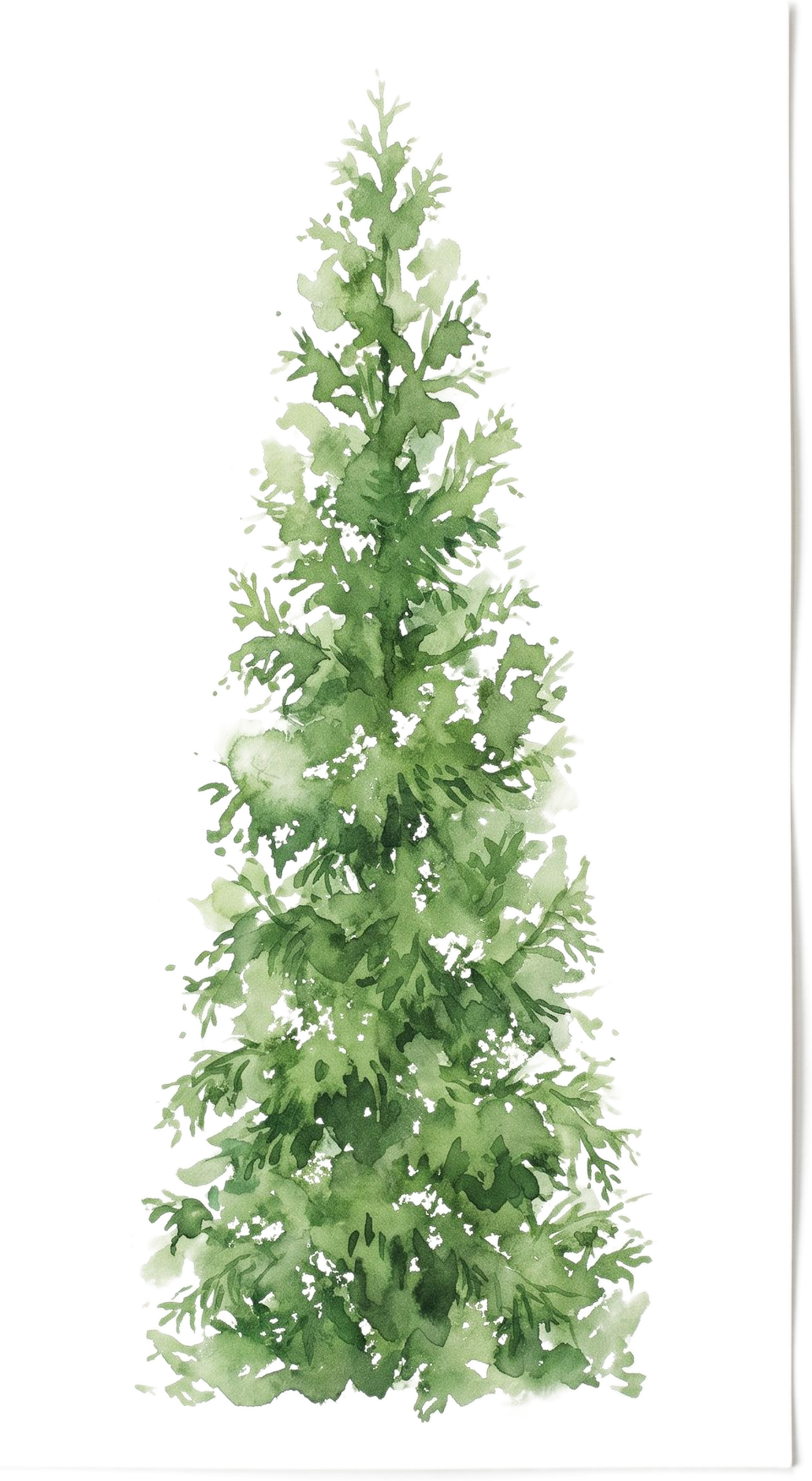
Green Giant Arborvitae
The workhorse: 3 ft a year once established, dense to the ground.
Zones 5–840 ft
Eastern White Pine
Soft-textured height for big lots; faster and friendlier than spruce.
Zones 3–860 ft
Colorado Blue Spruce
Slow but bulletproof color and density where winters are hard.
Zones 2–750 ft
Common Lilac
The front row of a mixed screen: flowers at eye level while the evergreens rise behind.
Zones 3–712 ft
Maiden Grass
Instant 6 ft of seasonal screening while the woody plants catch up.
Zones 5–96 ft
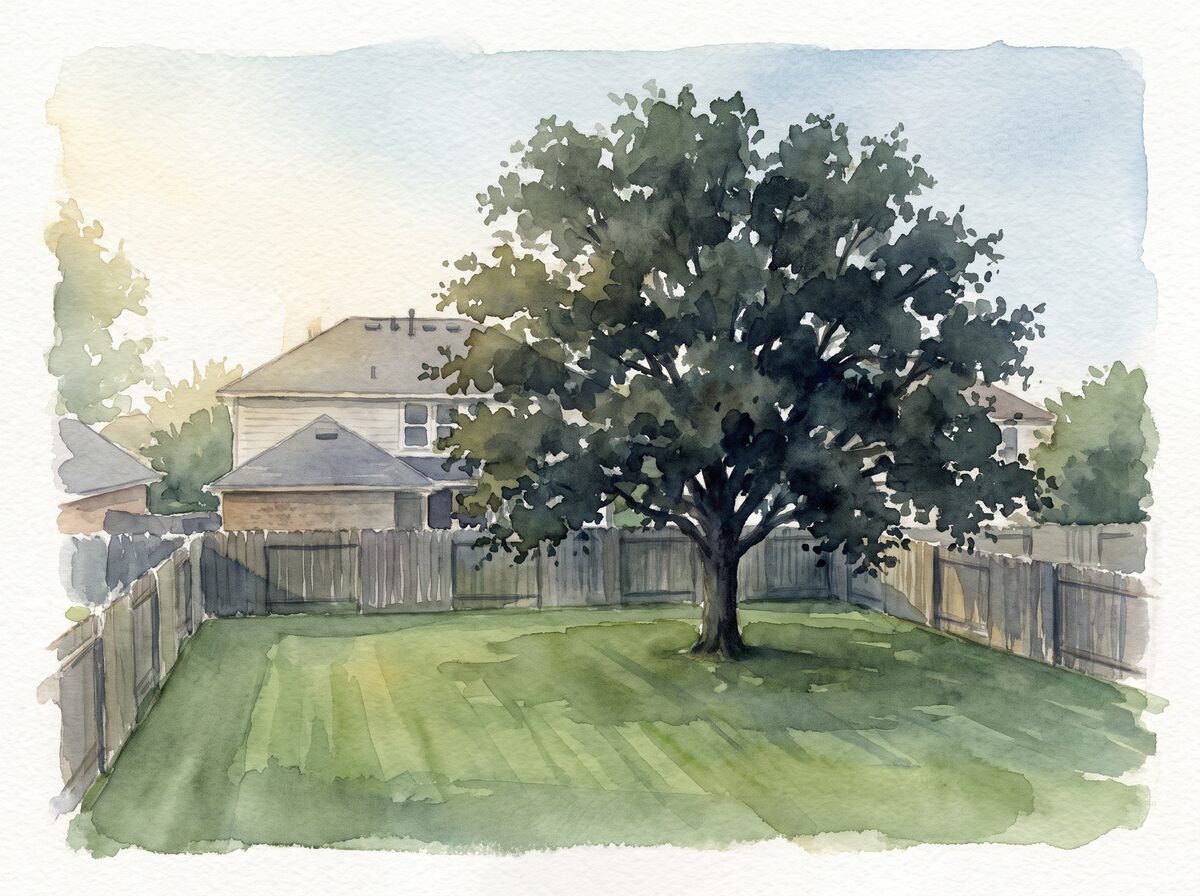
What to expect, honestly: Year 1: sticks and hope. Year 3: the grasses screen summer sight lines while the evergreens reach chest height. Year 6 to 8: the arborvitae close ranks and the yard becomes a room.
Questions people ask
▸Can I design a privacy screen before I buy the trees?
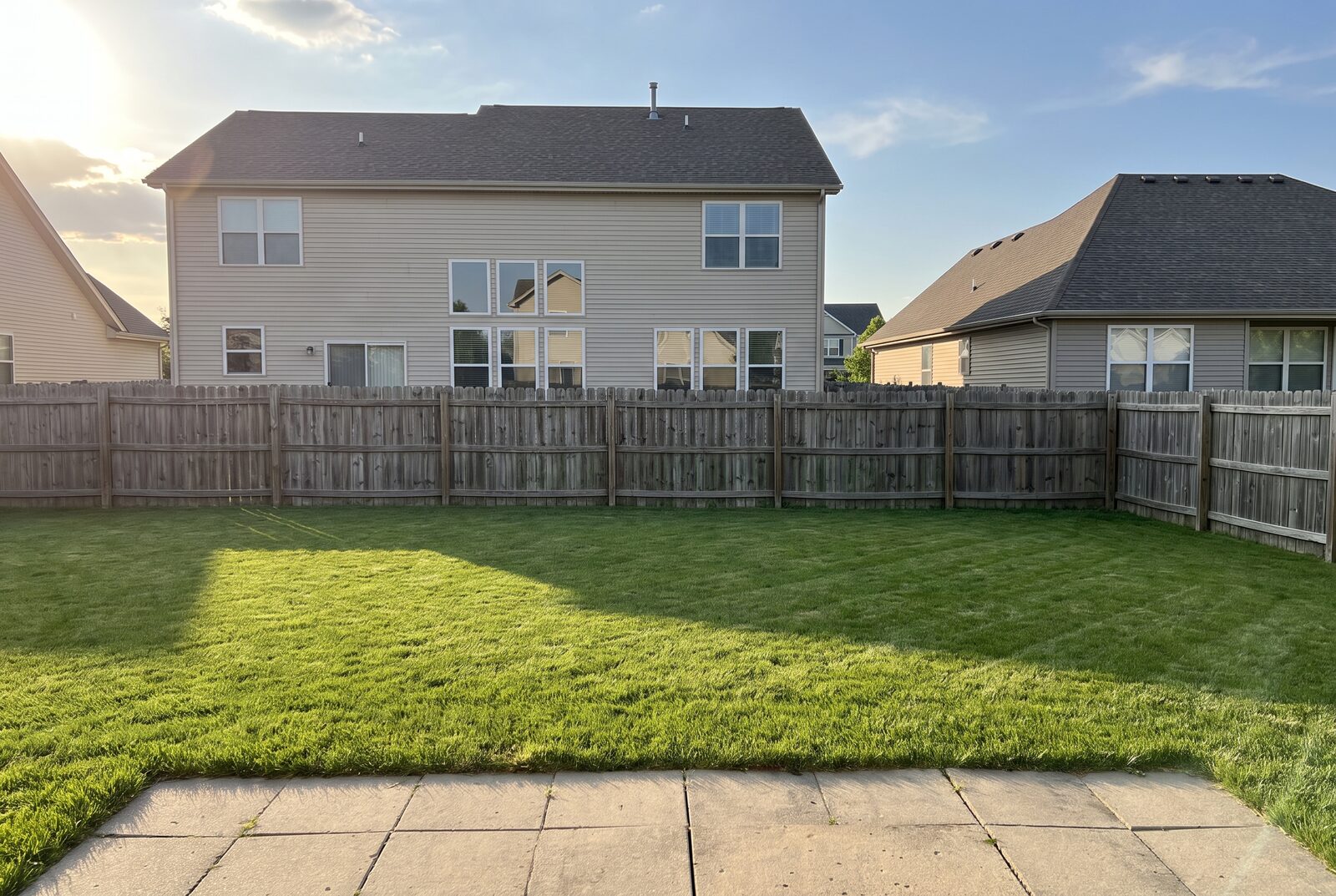
Yes. Upload a photo taken from the spot you actually want screened, draw the screen line on it, and drag the years forward to watch it close in. You can try it on a sample yard first, and no account is needed.
▸Will it show me the year the screen actually blocks the window?
That is what the year slider is for. Each species grows on its own real curve by age, so you see the honest gap at year three and the year the neighbor's upstairs window finally disappears. It will not flatter a slow grower to make the plan look better than it is.
▸Can I mix fast and slow plants in one screen?
Yes, and layering is usually the right answer. Put the ornamental grasses that buy you height in the first season and the arborvitae or trees that carry the screen at year ten on the same line, each with its own planting year. The slider then shows the handoff between them.
▸Does it know which screening plants survive my winter?
Enter your ZIP and the palette filters to your USDA hardiness zone, so every screen you sketch is built from plants that make it through your winters rather than ones that look good in a catalog.
▸What do I get at the end?
A watercolor of your yard with the screen placed on it, the growth view from year one to year twenty, and a printable report with a to-scale plan view from above and a year-by-year shopping list with price estimates. It is a design plan, not a survey, so confirm property lines before you plant on a boundary.