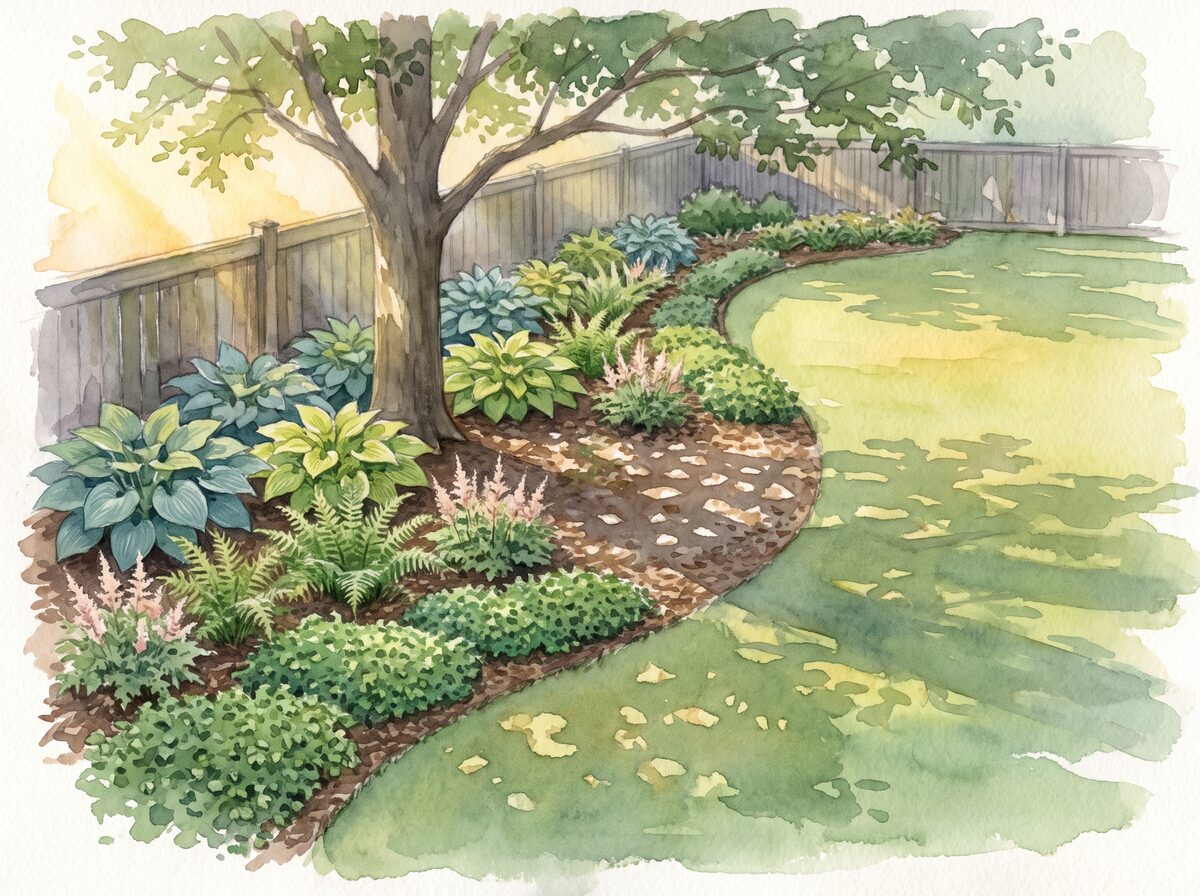
Garden styles

Garden design tool

Not a themed garden, not a landscaping project: a garden. Flowers, shrubs, a bed with a good shape, somewhere to sit and look at it. The hard part has never been wanting one, it is standing in front of bare dirt unable to picture July. Painted Acre paints your yard photo into a watercolor, you place the beds and plants on it, and the year slider shows the garden filling in season after season, so you plant with the finished picture already in hand.

Design this on a sample yard — free

No account needed. The studio opens with this scenario ready to go.

Garden design tool, painted in watercolor
Garden design tool, in the Painted Acre watercolor style.
Start with one real photo of a yard Painted Acre paints it into a watercolor canvas Design right on it: a natural swimming pond, built in Expand it: a planted filter zone joins the water Plant it and watch year five arrive Twenty years later, honestly grown
1Start with one real photo of a yard
Real product output, start to finish. No mockups.

Back, middle, front: the border formula

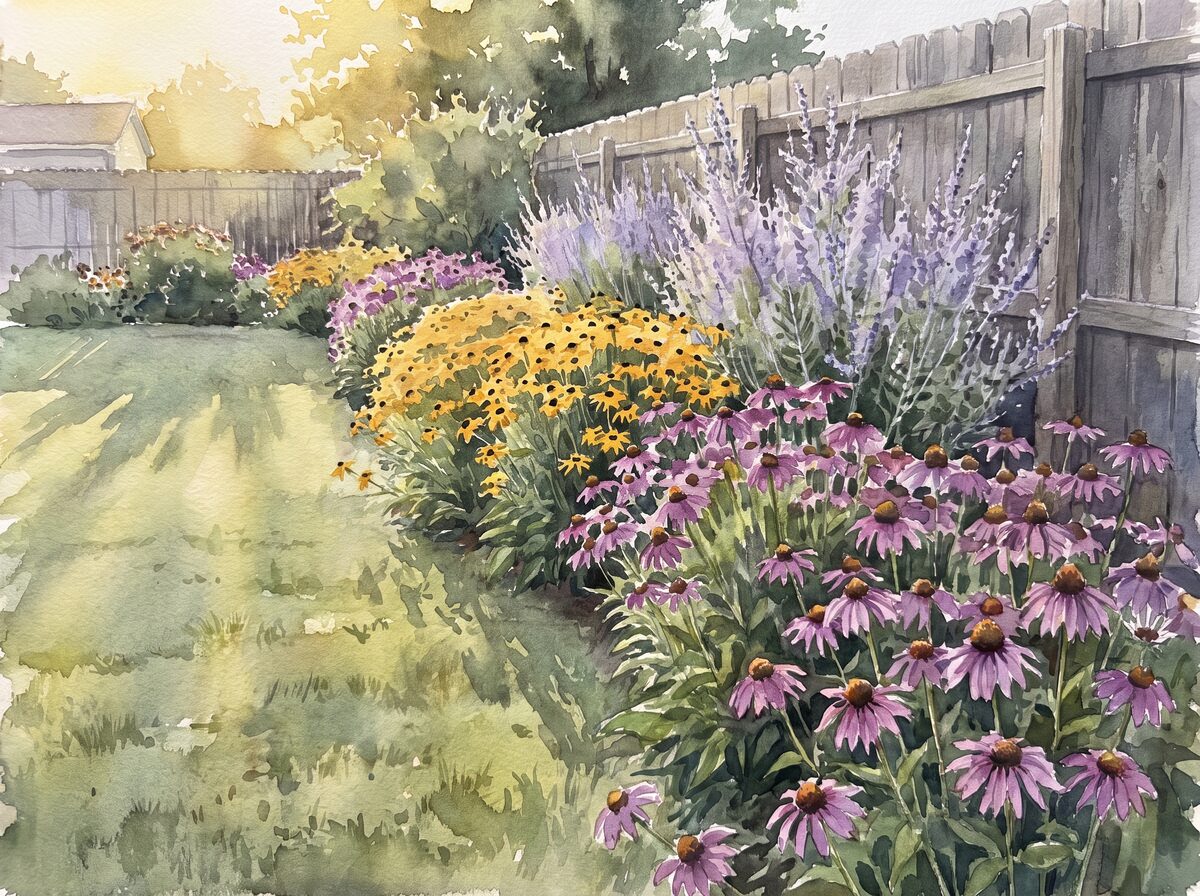
The classic garden bed is a grandstand: tall at the back, in shrubs and grasses that hold the frame, workhorse perennials in the middle at knee to waist height, and a low edge spilling onto the lawn or path. Plant in odd-numbered groups of three to five and repeat the groups down the bed instead of collecting one of everything. Repetition is what makes a garden read as designed, and it is much easier to judge painted at real scale on your own yard than dotted on graph paper.

Back, middle, front: the border formula: watercolor study
Watercolor study: back, middle, front: the border formula.

Bloom should relay, not crescendo

A garden that blows everything on two glorious weeks of June spends the rest of the year apologizing. Design the relay instead: spring bulbs and early groundcovers hand off to roses and daylilies, coneflowers carry high summer, and something must own the late season. Evergreen structure and ornamental grasses keep the bed composed in January, when the design either holds or collapses.

Bloom should relay, not crescendo: watercolor study
Watercolor study: bloom should relay, not crescendo.

Give it bones and a place to sit

A garden becomes a destination the moment it has structure: a bed line with a deliberate shape, an edge that separates garden from lawn, and a bench placed where the view is best, not where the leftover corner was. Make beds generous, six feet deep minimum for real layering. Then put the bench where you will actually drink coffee, facing the bed, and the garden gets visited instead of just maintained.

Before and after, honestly

Every Painted Acre plan starts from a photo of a real yard and ends with the same view, years grown. No invented dream yard, no stock photos.

Before: the yard today, painted in watercolor After: the same yard with the garden design tool grown in
This scenario, before and grown in.

Your yard is a plan, not a weekend

Real projects happen across years: maybe you raise privacy mounds and plant the slow shade trees first, and the water waits for year three. In Painted Acre, every plant and structure carries its own year, the studio builds the scene in phases, and the timelapse shows the whole multi-year plan paying off before you commit to any of it. Here is this sample plan, phase by phase, every frame real product output:

The plan at year 1: Cut the shape, plant the bones
Year 1

Cut the shape, plant the bones

The bed line and the gravel path go in first, then the hydrangeas at the back, daylilies in the middle, and the lavender edge. The bench faces it all from day one.

The plan at year 2: Finish the ranks
Year 2

Finish the ranks

Roses and coneflower drifts fill the middle rank. The planting is complete; from here it compounds.

The plan at year 3: The drifts touch
Year 3

The drifts touch

The plants close over the mulch and weeding drops by half. The border starts reading as one composition.

The plan at year 5: The relay works
Year 5

The relay works

Roses hand to coneflowers, lavender holds the edge, and the hydrangeas own late summer.

The plan at year 10: A destination, not a chore
Year 10

A destination, not a chore

A wall of bloom behind a ribbon of lavender, and the best seat in the yard facing it.

Change any year in the studio and the whole timeline repaints. Budgets like phases too: the printable report groups the shopping list by year.

The border palette, painted

Back row, middle rank, and front edge, plus the bench that makes it a destination. Each plant is painted at every age, and your ZIP keeps the palette to what your zone allows.

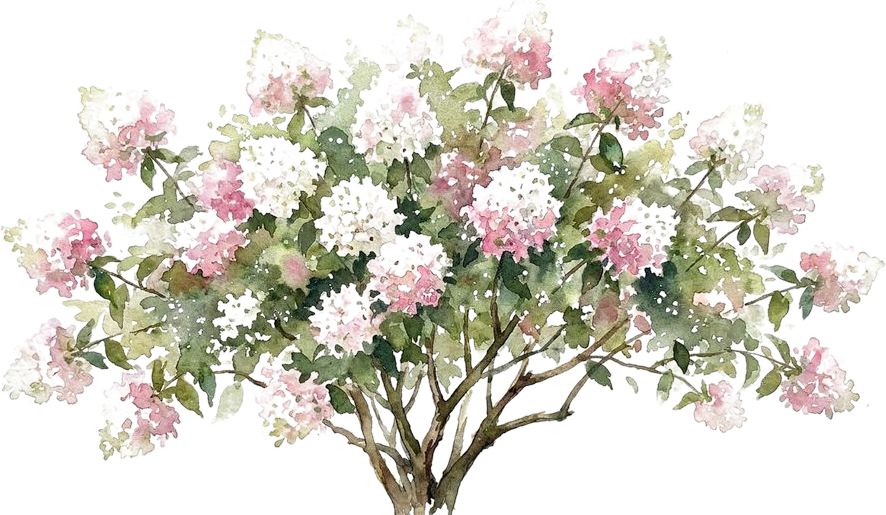
Hydrangea, watercolor

Hydrangea

Hydrangea paniculata

The back-row anchor: shrub structure and enormous summer bloom.

Zones 3–86 ft
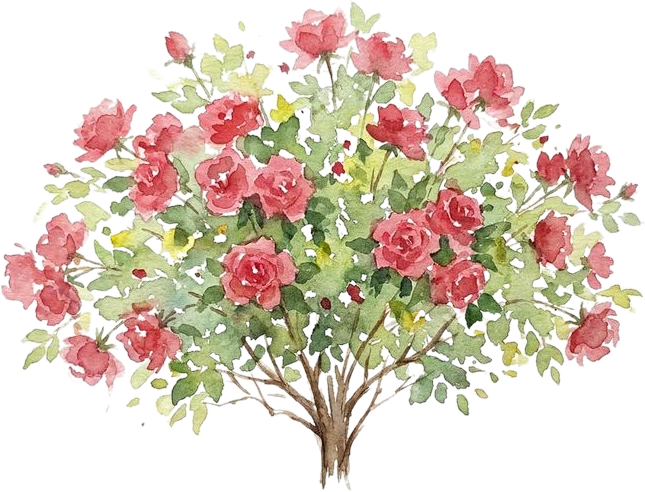
Knock Out Rose, watercolor

Knock Out Rose

Rosa Radrazz

Months of color in the middle rank with none of the old rose drama.

Zones 5–104 ft
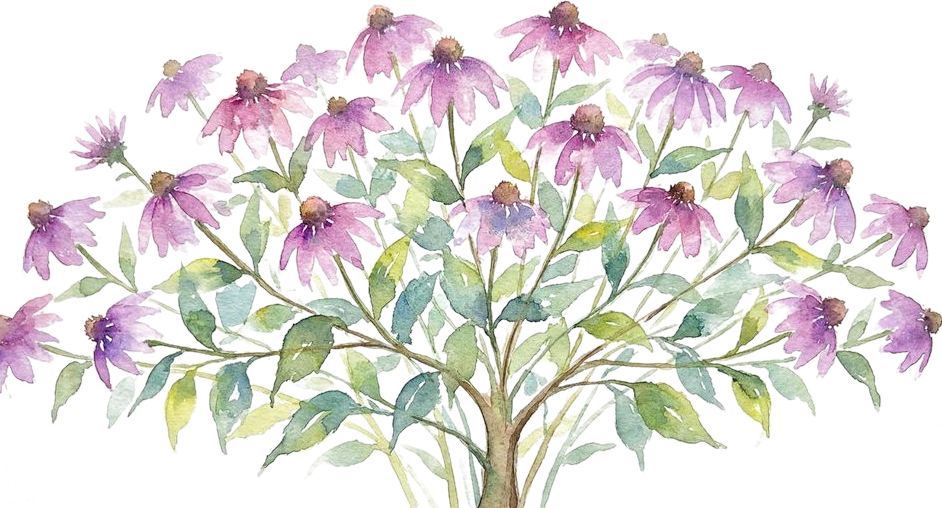
Purple Coneflower, watercolor

Purple Coneflower

Echinacea purpurea

The high-summer workhorse drift; goldfinches take the seed heads after.

Zones 3–93 ft
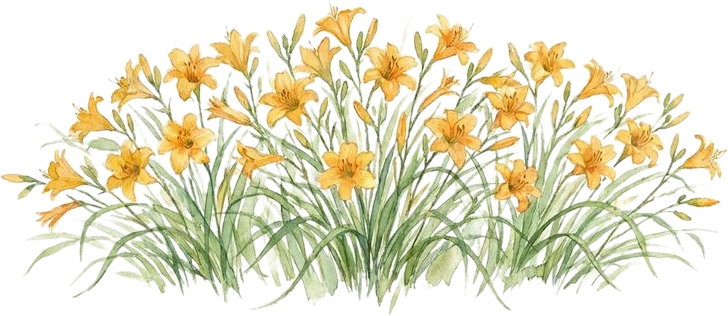
Daylily, watercolor

Daylily

Hemerocallis

Reliable mid-border color that shrugs off neglect.

Zones 3–92.5 ft
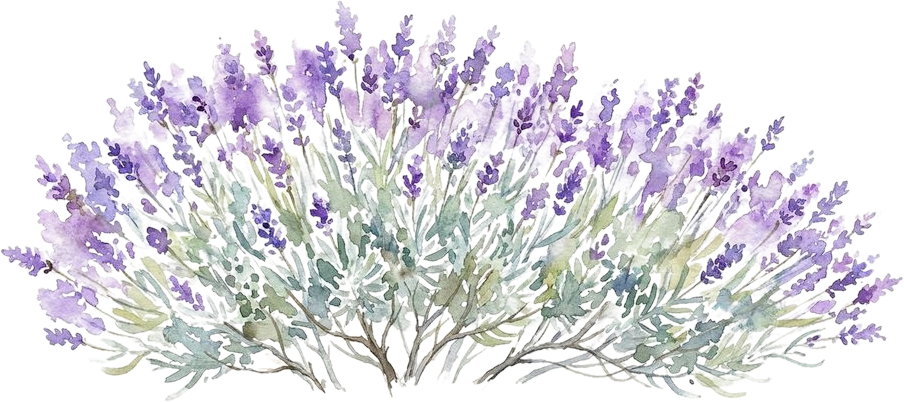
Lavender, watercolor

Lavender

Lavandula angustifolia

The front edge: fragrance where you brush past, silver foliage all season.

Zones 5–92.5 ft
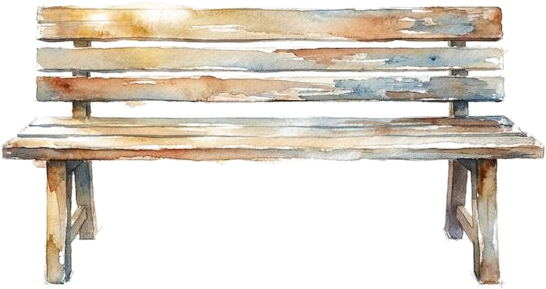
Garden Bench, watercolor

Garden Bench

The piece that turns a bed into a destination. Face it at the border, not the fence.

3 ft
What to expect, honestly: Year 1: mulch with promises in it; the bed shape and the bench already make it look intentional. Year 2: drifts touch, the relay starts working. Year 5: the hydrangeas are the back wall, the front edge spills, and the garden looks like it has always been there.

Questions people ask

How do I design a garden for the first time?

Start with one bed, not the whole yard. Give it a deliberate shape, layer it back to front, plant in repeated groups of three to five, and pick something to bloom in each season. Doing it on a painting of your own yard, with each plant shown at real mature size, catches the spacing mistakes beginners always make.

How wide should a garden bed be?

Six feet deep is the practical minimum for a layered border, and eight to ten is better against a fence. Beds narrower than that hold one rank of plants and always look thin. Wide beds with fewer, bigger drifts beat narrow beds with more variety.

How many of each plant should I buy?

Odd groups of three to five of each perennial, repeated down the bed, and usually more of fewer kinds than your first list has. The painted plan makes the math honest: a drift that looks generous on paper often turns out to be two lonely plants at real scale.

Can AI design my garden?

Yes. Describe what you want, a low-water border, a cottage bed, shade under the maple, and the built-in designer lays out a starting plan on your actual yard, checked against your USDA zone. You then drag, swap, and grow it forward to see if you agree with it.

Design this on a sample yard — free

What this is, and is not: Painted Acre produces an illustrative watercolor design plan: placement, plant choices, and an honest picture of growth over time. It is not an architectural, engineering, or construction document. For anything that involves excavation, water, structures, or grading, bring the plan to a qualified contractor or landscape professional and verify measurements, utilities, and local codes first.