Read your shade before you plant it
Dry shade under shallow-rooted maples is a different planet from moist shade on a north wall. Watch where rain actually reaches and where roots hog it. Under greedy trees, plant small plugs into pockets between roots rather than fighting with a spade, and mulch with leaves, which is what a forest floor wants anyway.
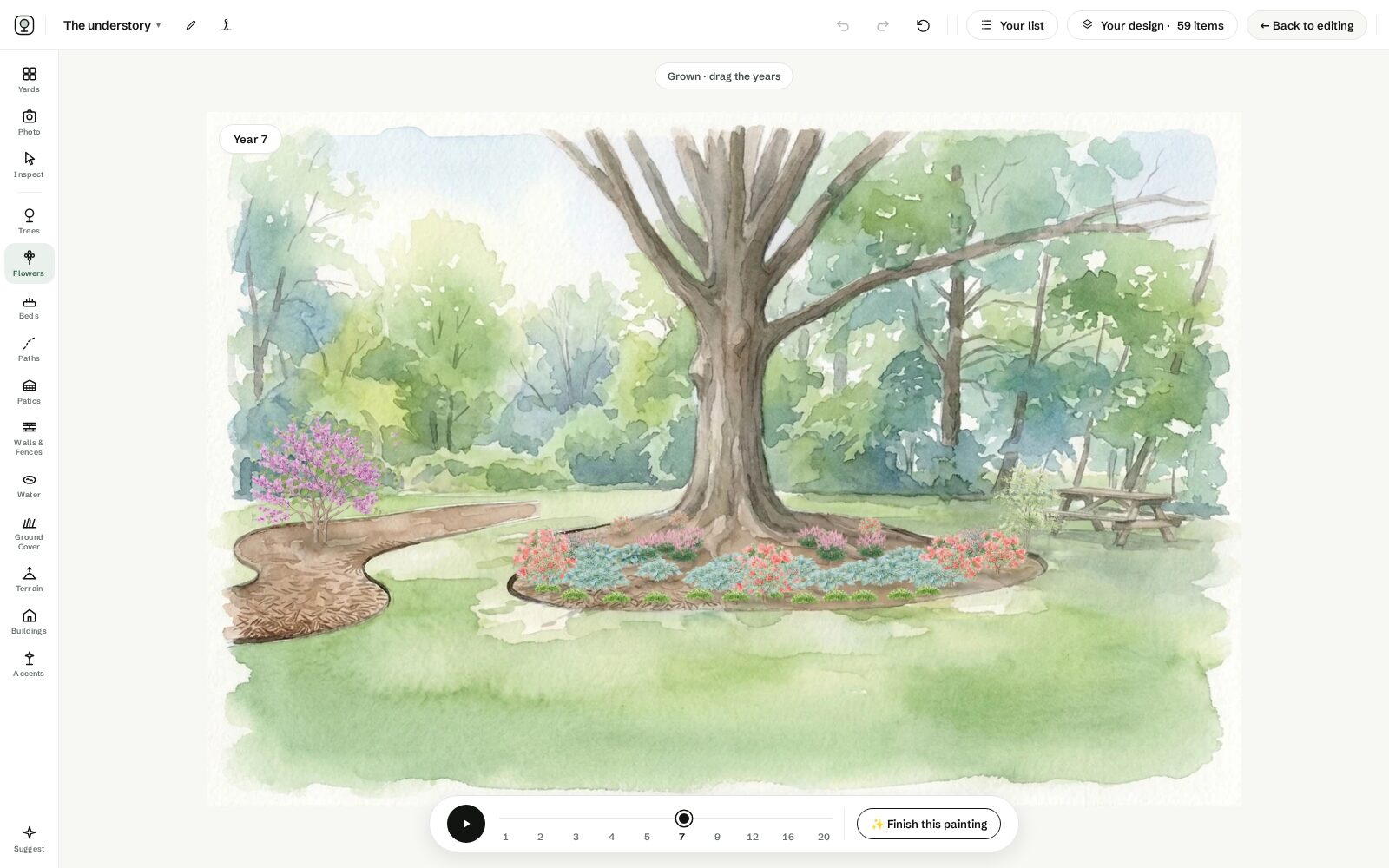
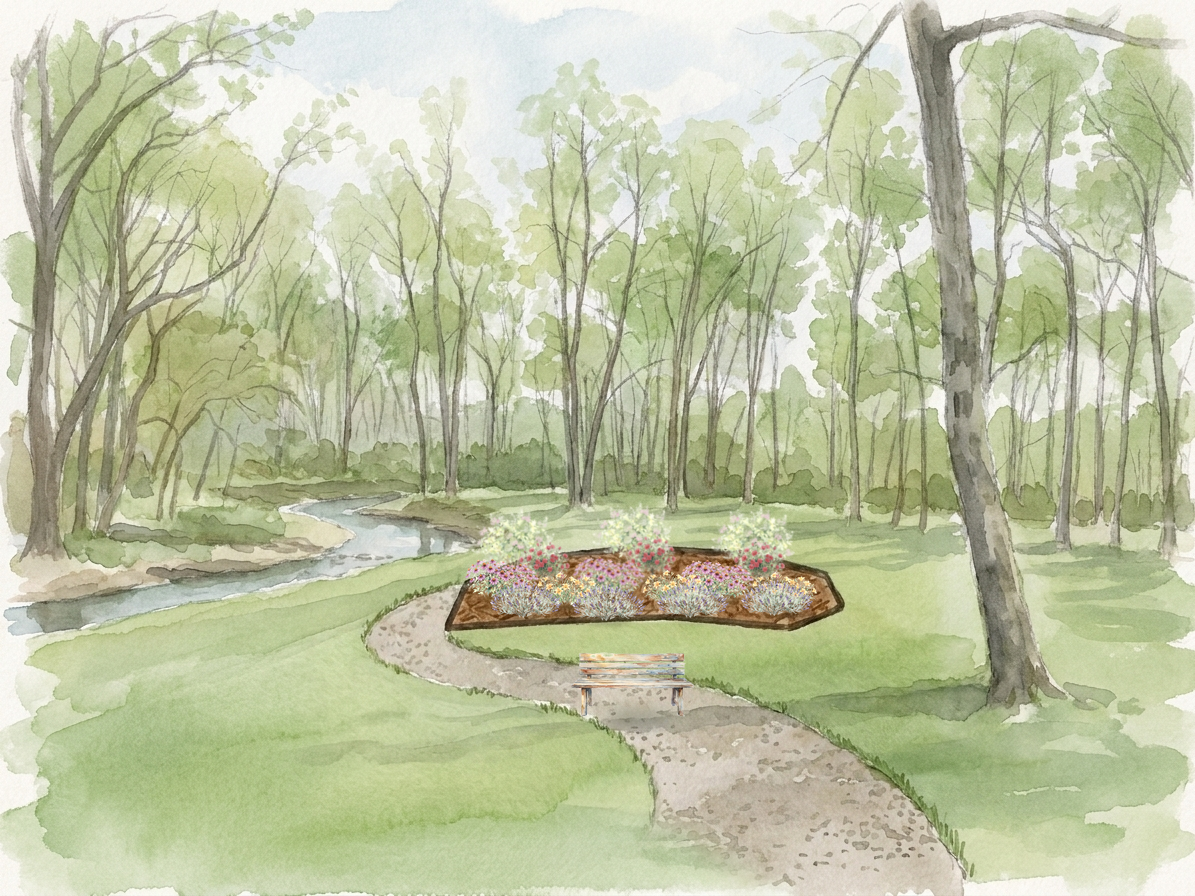
Year four of the sample plan — the floor has closed and the mulch has gone out of sight.
Compose with leaves, not blooms
The classic shade trio is bold, fine, and carpet: bold hosta leaves, fine fern or astilbe texture beside them, and a low carpet knitting the front. Repeat the trio down the bed and vary the hosta colors, blue-green to chartreuse, so the eye travels. Bloom is the seasoning here, not the meal.
Light the dark corners
White and chartreuse read as light in shade. A white-variegated hosta or a drift of white azalea at the darkest point works like a lamp. Put the brightest foliage deepest in the bed and the shadows organize themselves around it.
Nothing here costs much except the two trees.
This is the cheapest bed you will ever build, for an odd reason: the lawn under there is already dead, so there is nothing to remove, and the mulch falls out of the thing causing the problem every October. Hostas divide and woodruff runs, so the only real money is the two corner trees — plant those first, because they are the slowest things on the list. The one thing worth skipping is the $800 job to till and amend the soil under your maple: it will not work and it will hurt the tree. A year-by-year plan with a plug list, ready to hand a nursery, is what the printable Painted Acre report gives you.
The shade plan · Zone 6a Ohio
Year 1
The trees, the bed and the bones
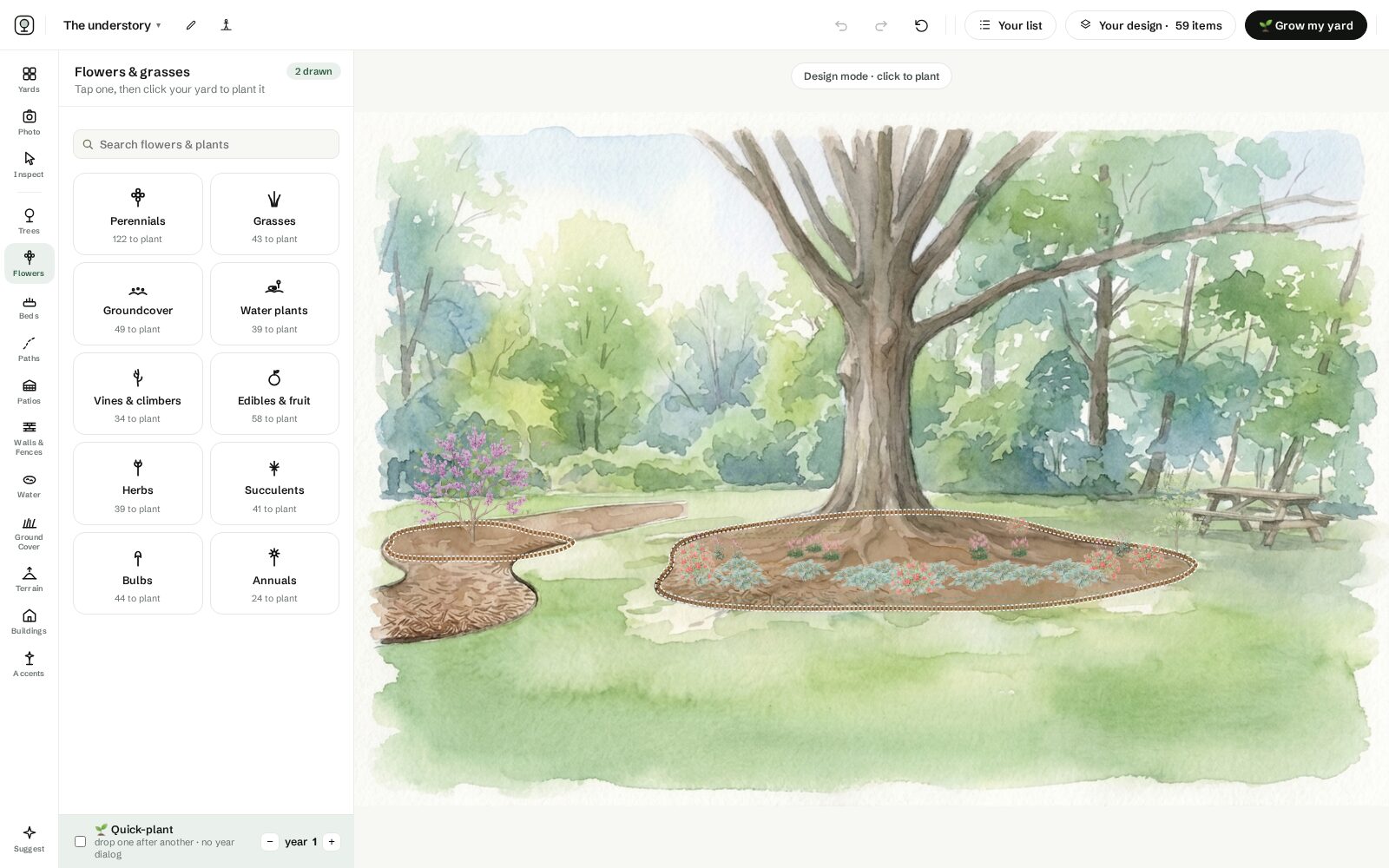
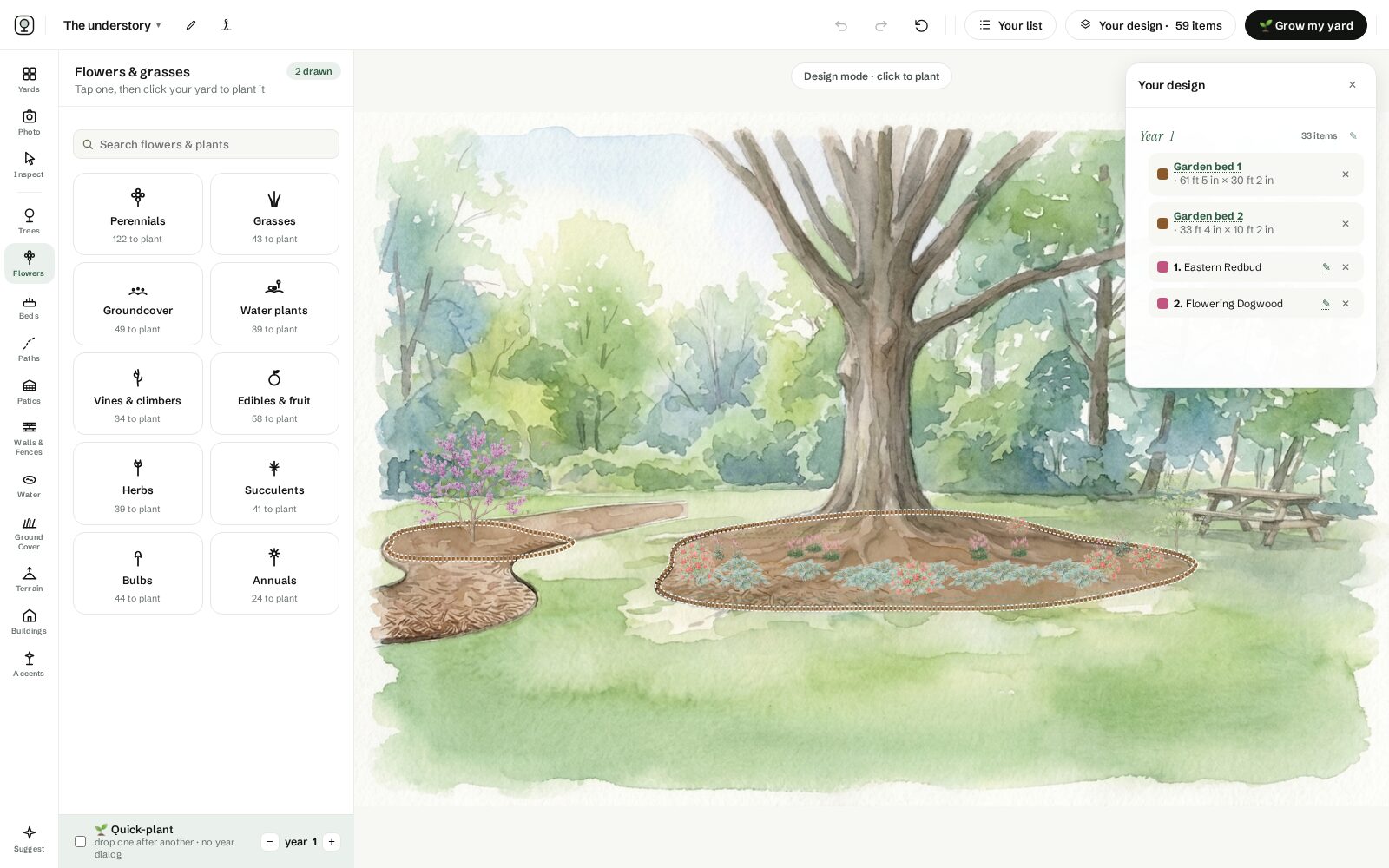
Eastern Redbud × 16 ft whip · the left corner, in its own mulch ring
Flowering Dogwood × 16 ft B&B · the right corner by the picnic table
The mulch bedone wide bed wrapping the whole oak · 4 yards of shredded leaves
Hosta × 15bare-root divisions · three loose clumps, never a row
Astilbe × 8 + Bleeding Heart × 6plugs · the fine layer behind and beside the trunk
To do this year
Plant into the POCKETS between roots with a hand trowel — no tilling, no soil added over the root zone
Mulch 2 inches of shredded leaves, not bark — and rake this fall's leaves straight back on
Keep the mulch a hand's width off both trunks: a mound piled against bark rots it
Water weekly for two summers: the oak drinks first and the plugs lose
Year 2
The edge and the glow
Sweet Woodruff × 12 along the front lip, where the bed meets the lawn
Azalea × 5 out at the bright rim — the only real bloom in the bed
Expect hostas at half width; keep the mulch topped up
Year 4
The floor closes
Azalea × 3 more at the back of the bed, either side of the trunk
Split your own hostas in April: the next six plants are free
From the sample plan's printable report — the trees first, the bloom second, and the floor free by year four.
The understory, painted
Bold leaves, fine textures, and carpets that hold in dry shade, each painted at every age. Enter your ZIP and the palette keeps only what survives your winters.
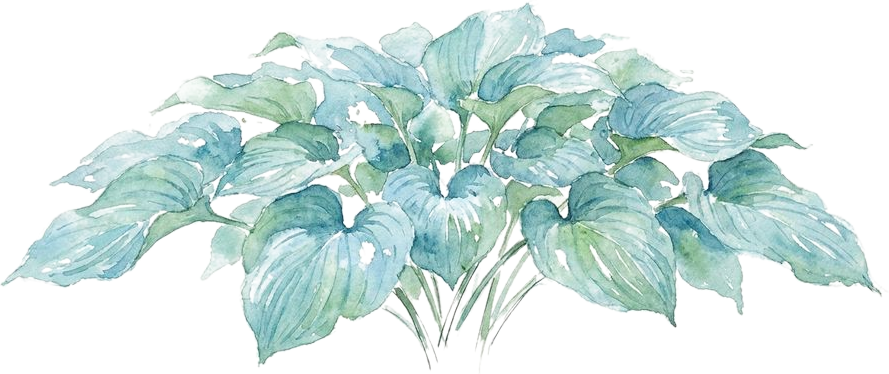
Hosta
The bold layer; mass three cultivars, blue, green, and chartreuse.
Zones 3–92 ft
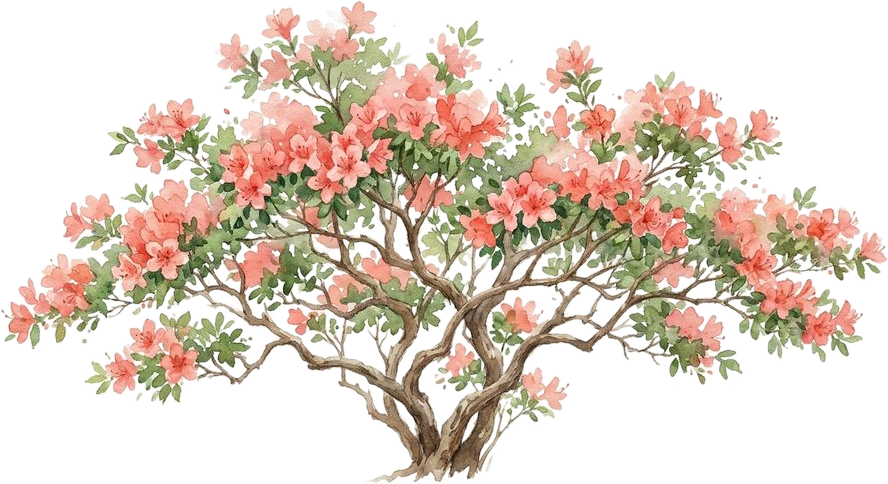
Azalea
The shade shrub that earns its spot twice: spring bloom, evergreen structure.
Zones 6–95 ft
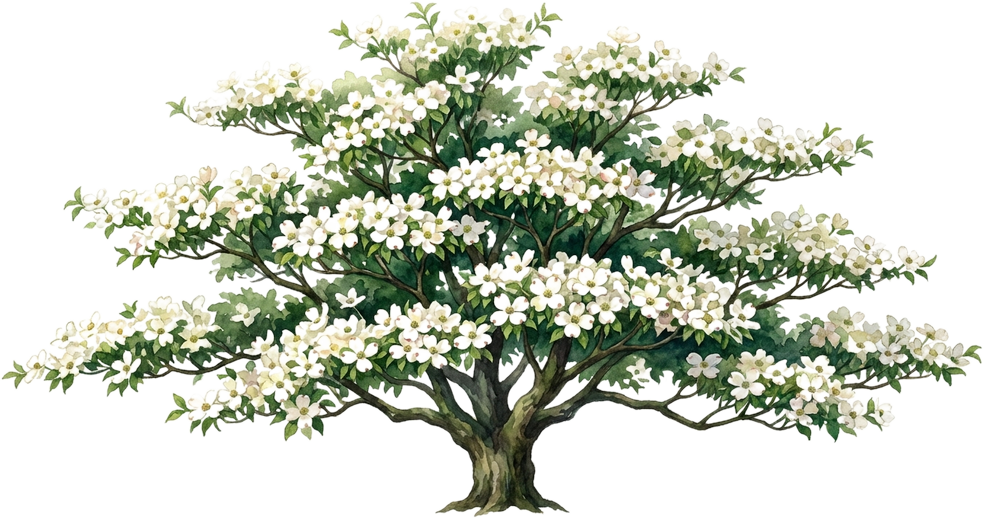
Flowering Dogwood
An understory tree that turns the shade edge into a spring event.
Zones 5–920 ft
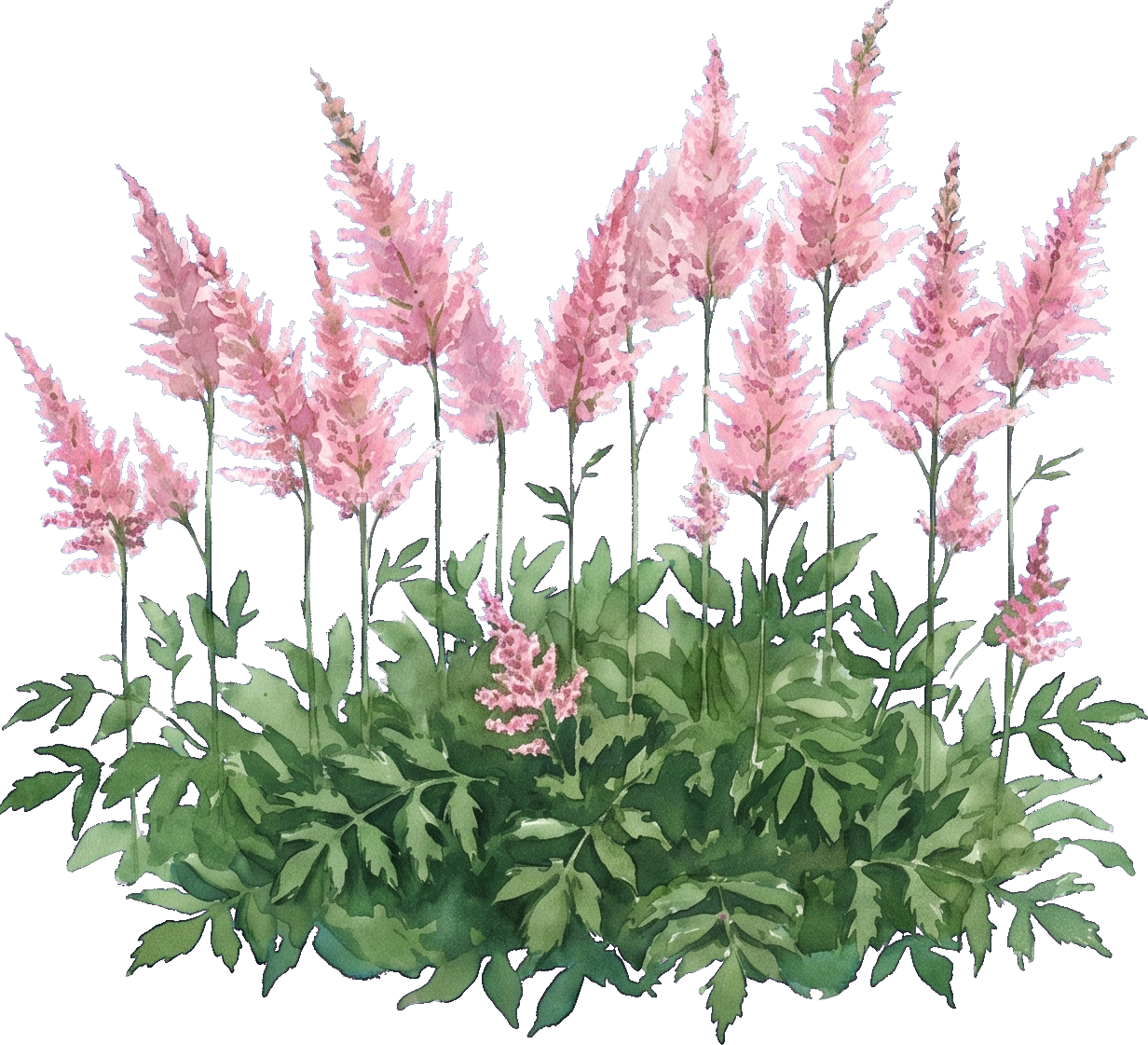
Astilbe
The fine layer: feathery plumes beside the bold hosta leaves.
Zones 3–82 ft
Bleeding Heart
Arching spring bloom for the dappled edge, gone quiet by July.
Zones 3–93 ft
Sweet Woodruff
A low, fragrant carpet that knits the darkest ground.
Zones 4–80 ft
What to expect, honestly: Year 1: plugs and patience, keep the leaf mulch on. Year 2: hostas at half size, carpets spreading. Year 4: a closed woodland floor that never sees a mower and barely sees a weed.
Questions people ask
▸Can I design a planting for the shade under my tree?
Yes. Upload a photo of the bare patch under the canopy, place ferns, hostas and groundcover on it, then drag the years forward to watch the bed close. You can try it on a sample yard first, and no account is needed.
▸Does it work with the trees I already have?
Your trees are already in the photo, so the design starts from reality rather than an empty lot. You place the understory beneath the canopy that is actually there, and the growth view adds the new layer under the tree you already own.
▸Will it show the groundcover actually knitting together?
Yes, and honestly. Groundcover carries its own spreading curve by age, so the thin, obviously spaced year one is followed by a genuinely closed carpet only in the year it would really happen.
▸Does it know what tolerates shade in my zone?
Enter your ZIP and the palette filters to your USDA hardiness zone, so the ferns, hostas and evergreen carpets offered are ones that survive your winters as well as your shade.
▸What do I get at the end?
A watercolor of the designed bed, the growth view from year one to year twenty, and a printable report with a to-scale plan view from above, a year-by-year plan and a shopping list with price estimates.