Three rocks before one plant
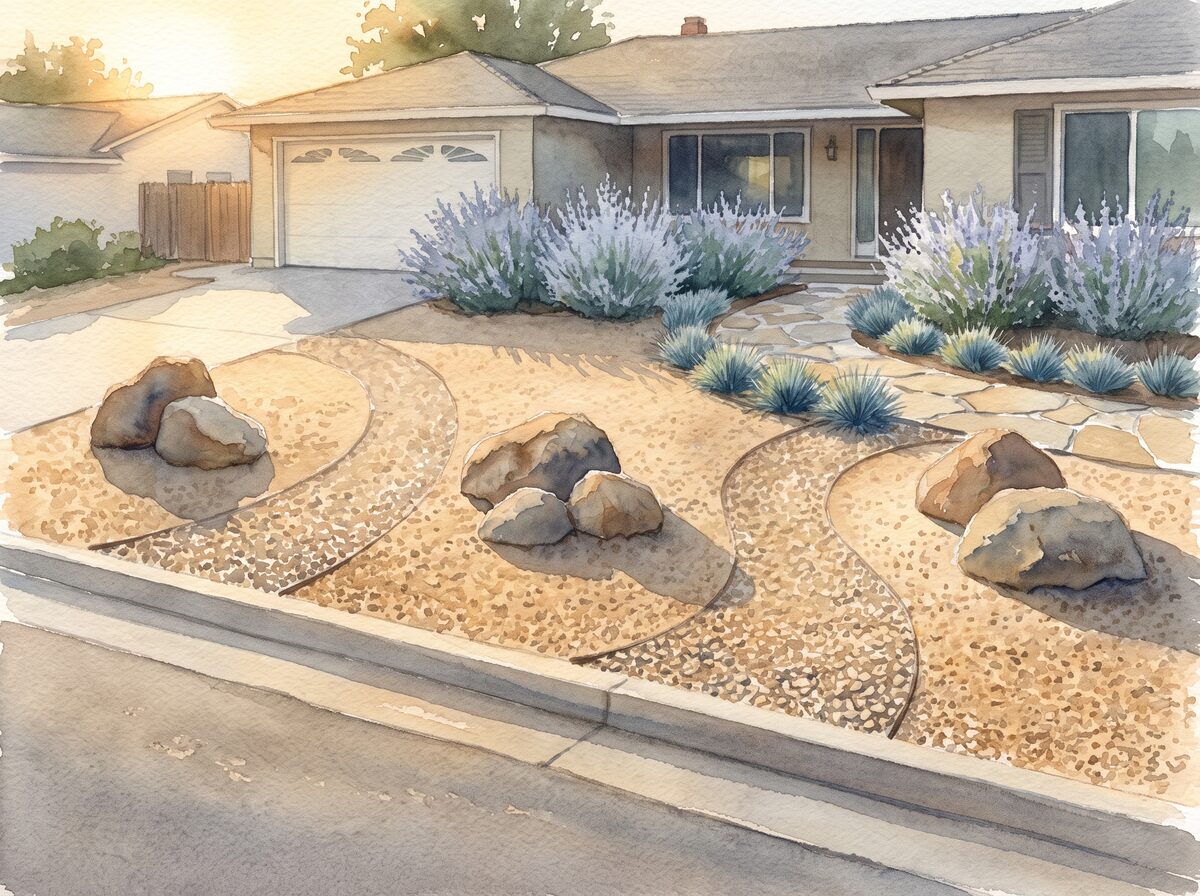
Start with stone: an odd-numbered boulder arrangement, each rock buried a third deep with its best face to the main viewpoint. The rocks are the mountains of the composition and everything else refers to them. If the stones are right, the garden already works before a single plant goes in.
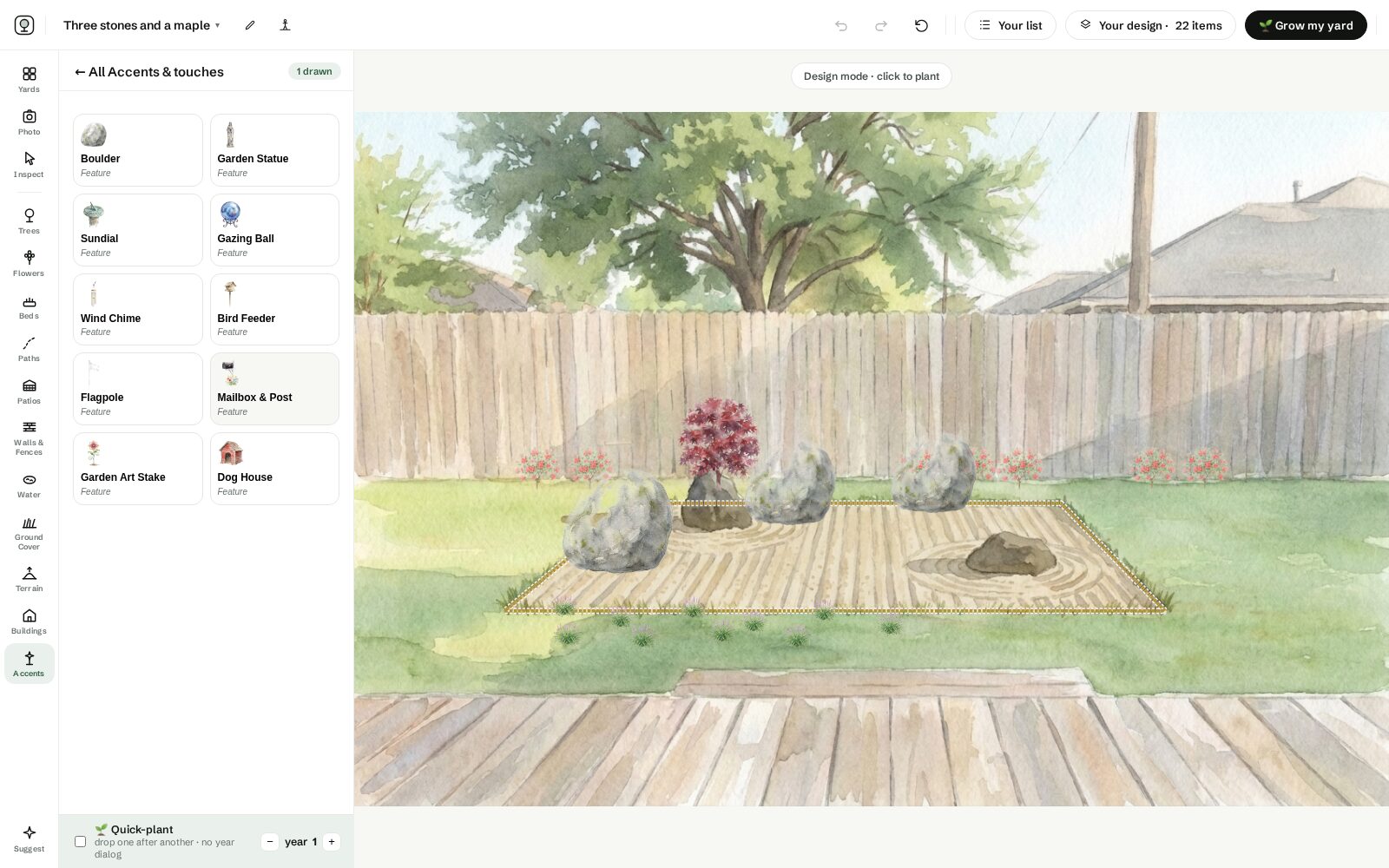
Year one of the sample plan — the maple is a promise, but the stones are already finished.
One specimen, given room
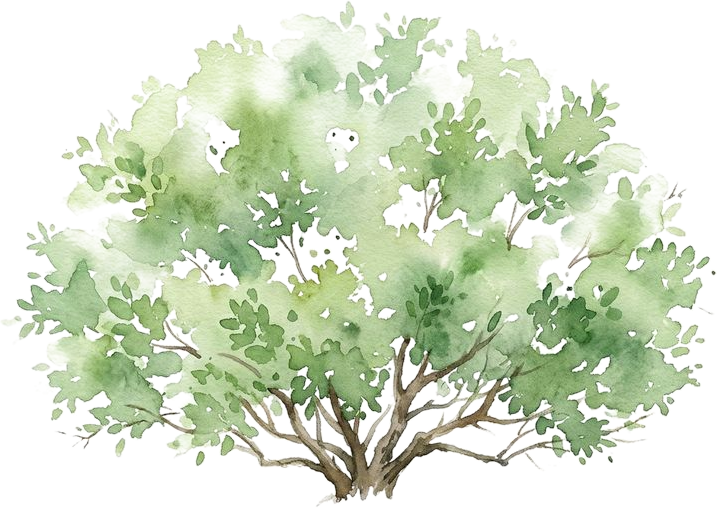
A single Japanese maple, placed off-center with clear space around it, does more than twenty foundation shrubs. The design protects that clarity: low groundcover as the moss layer, clipped boxwood as supporting masses, and emptiness on purpose. Resist symmetry everywhere; the triangle, not the row, is the organizing shape.
Borrow, frame, conceal
Classic technique: frame a view you want (the neighbor's birch counts as borrowed scenery), conceal what you do not with a fence or hedge, and never show the whole garden from one spot. A path that bends behind the maple makes a small yard feel like a sequence of rooms.
The stone is the budget. The pruning never ends.
Almost all the money here goes into the ground in the first weekend and then never moves: three set boulders and one specimen maple will eat most of a small budget, and the gravel, the groundcover and the azalea are rounding errors beside them. A boulder is cheap; delivering it and setting it with a machine is not, so buy fewer and bigger. The bill that does not stop is time — two hours with hand shears every winter, forever, because in this garden pruning is not maintenance, it is the design. A year-by-year plan with the stone sizes and the plant list, ready to hand a nursery or a stone yard, is exactly what the printable Painted Acre report gives you.
The Japanese garden plan · Zone 6a Ohio
Year 1
The stone and the specimen
Boulders × 31,200–2,400 lb · set by machine
Japanese Maple × 18 ft B&B · the off-center specimen
Crushed granite · 4 tons3/8 in · 2 in deep, steel-edged
To do this year
Set the stones first — a third buried, best face to the viewpoint
Plant the maple off-center, where the stones ask for it
Rake it once, then live with the empty space for a full season
Year 2
The supporting masses
Azalea × 7 in three uneven masses — never a row
Liriope drifted across the lawn in front, as the moss stand-in
Nothing else. The empty lawn around the group is the design.
Year 5
The permanent line item
Hand-prune the maple each winter — 2 hours, every year
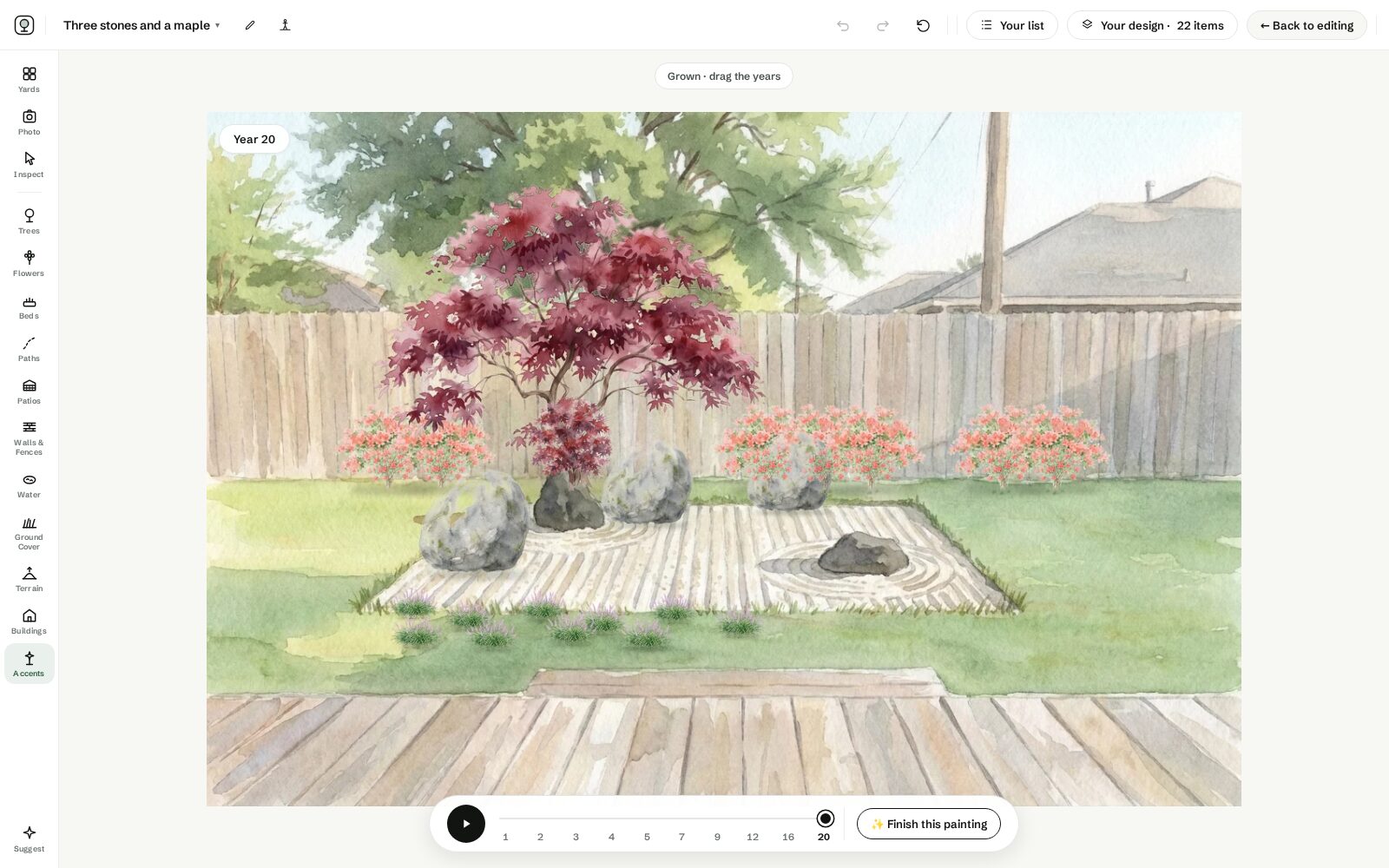
By year 15: the silhouette is the design. Nothing else moved.
From the sample plan's printable report — the stone in year one, the masses in year two, and the two hours a winter that never stop.
The specimen palette, painted
A short list on purpose: one specimen, supporting evergreens, a carpet, and stone. Each is painted at every age, so the fifteen patient years of the maple are honest in the slider.
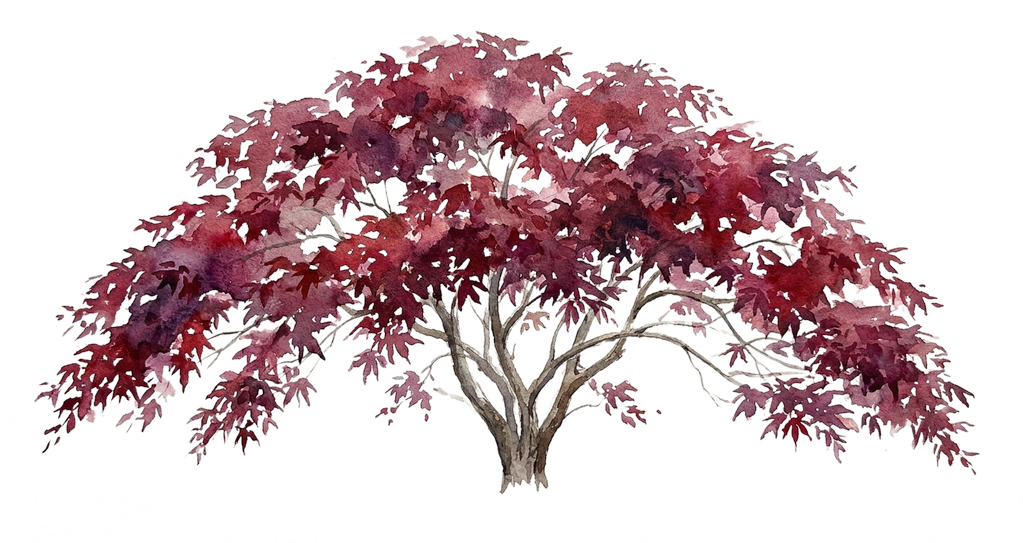
Japanese Maple
The specimen. Fifteen patient years to a perfect silhouette, and worth every one.
Zones 5–818 ft
Boxwood
Clipped cloud masses that play the supporting role evergreens should.
Zones 5–94 ft
blue star juniper
Blue Star Juniper
A slow silver-blue mound for the rock garden edge.
Zones 4–82 ft
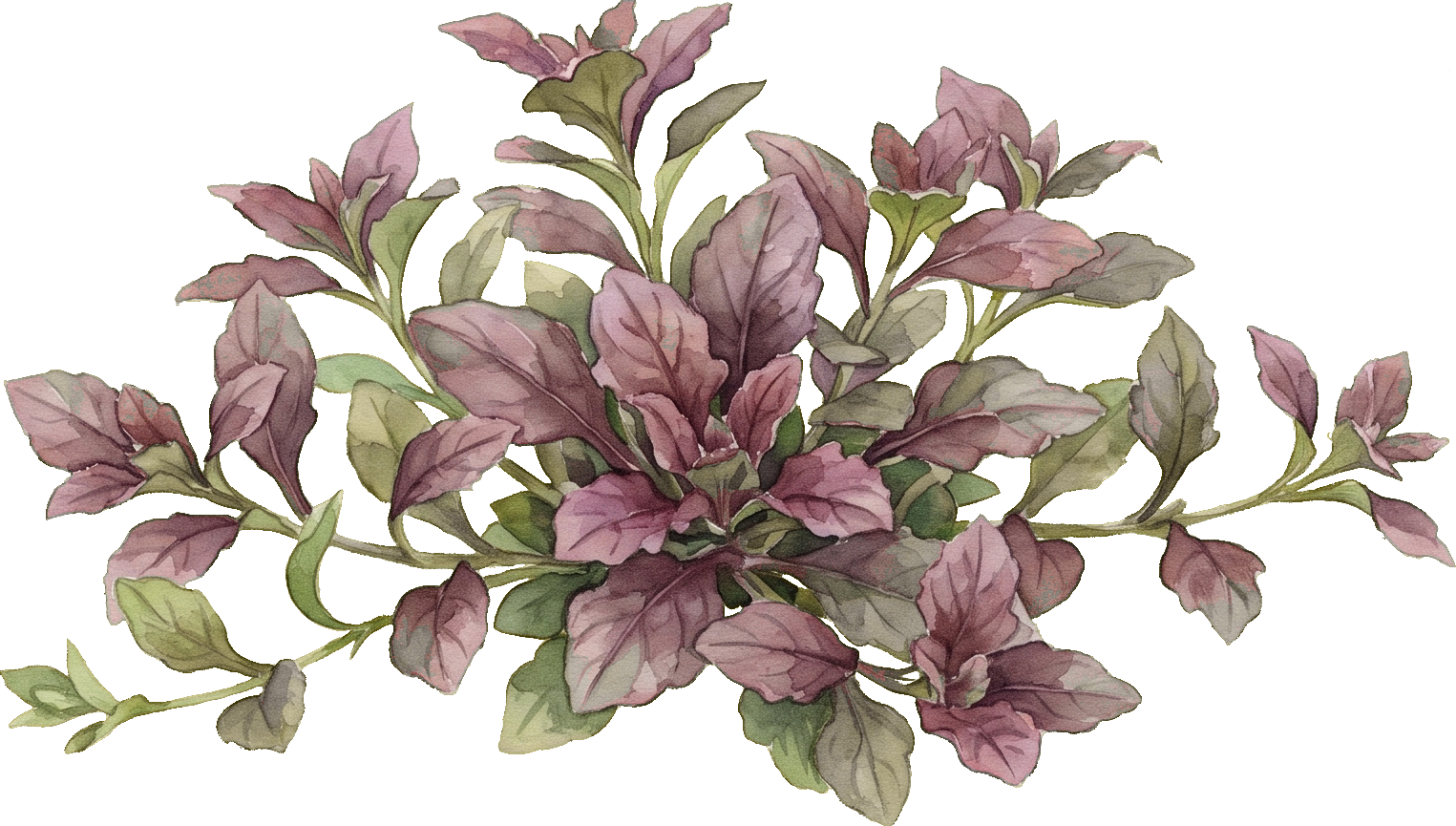
Ajuga
The moss stand-in: a dark low carpet between stones.
Zones 3–100 ft
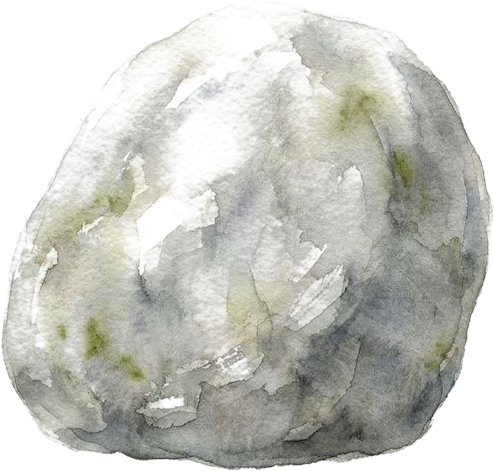
Boulder
Buried, odd-numbered, best face forward. The mountains.
Zones 1–132 ft
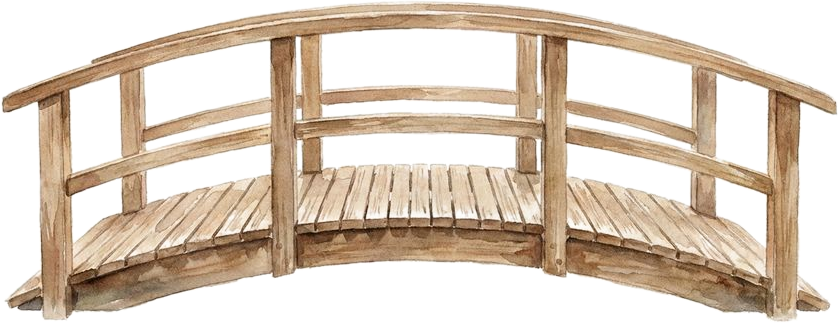
Wooden Footbridge
Even over a dry stream, the crossing makes the journey.
Zones 1–134 ft
What to expect, honestly: Year 1: the stones carry the design and the maple is a promise. Year 5: boxwood masses read as clouds, the carpet closes. Year 15: the maple owns the garden, and the restraint you held at year one is the reason it works.
Questions people ask
▸Can I design a Japanese-style garden on my own yard?
Yes. Upload a photo of the corner you want to work with, set the stones, the specimen maple and the clipped evergreen masses on it, then drag the years forward. You can try it on a sample yard first, and no account is needed.
▸Can I place the stones and the dry stream, not just plants?
Yes. Boulders, a dry stream bed and a footbridge are drawn and placed on the canvas the same way planting is, which matters in a style where the stonework is the structure and the plants are the accent.
▸Will it show the maple at its real mature size?
The year slider paints the same design at each age from real growth curves, so the small nursery maple of year one becomes the specimen the whole corner is built around only in the year it would actually get there.
▸Does it filter plants to my zone?
Enter your ZIP and the palette filters to your USDA hardiness zone, so the maple, the evergreen structure and the groundcover you choose survive your winters.
▸What do I get at the end?
A watercolor of the designed garden, the growth view from year one to year twenty, and a printable report with a to-scale plan view from above, a year-by-year plan and a shopping list with price estimates.